About
Anna Dizon is PawSafe's Pack Leader, managing ecommerce and day-to-day operations. She oversees everything from product sourcing to the customer experience, making sure every harness, leash, and accessory meets the standard she'd want for her own dogs.
Before a product goes live on the store, Anna puts it through real-world testing with her own pack. If it doesn't hold up on actual walks, it doesn't make the cut. That hands-on approach shapes every product recommendation and review she writes for the PawSafe blog.
Areas of Expertise
Product testing and reviews
Dog harnesses and walking gear
Pet product sourcing and quality
Articles by Anna
Nov 16, 2026
• Dog Dental Care
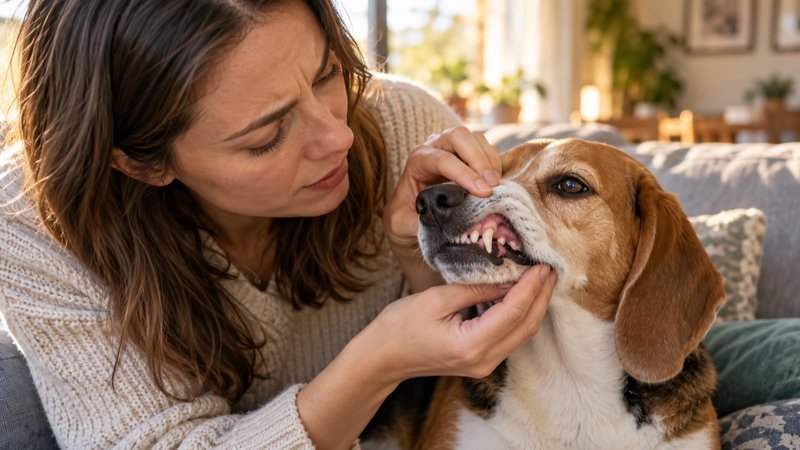
How to Remove Tartar From Dog Teeth (Safely)
How to remove tartar from dog teeth: hardened tartar needs a vet cleaning, but you can remove soft plaque and slow new buildup at home. Here's what's safe - and what isn't.

Nov 14, 2026
• Dog Dental Care
Dog Gum Disease Stages: A Vet-Informed Guide (Stage 1 to 4)
A vet-informed guide to the stages of dog gum disease: what Stage 1 to 4 mean, which are reversible, the symptoms to watch for, and when to see the vet.

Nov 12, 2026
• Dog Dental Care
Dog Tartar Stages: A Vet-Informed Guide to the Grades of Dental Disease
Dog tartar stages map to the vet grades of dental disease (0-4). See what each stage looks like, what's reversible, and when tartar means a vet visit.

Nov 10, 2026
• Dog Dental Care
How Often Should You Brush Your Dog's Teeth?
How often to brush dog teeth? Daily is ideal; at least three times a week is the minimum. Here's why, plus a step-by-step method and what to do if your dog resists.

Nov 8, 2026
• Dog Dental Care
Why Does My Dog's Breath Smell Like Poop? Causes and Fixes
Dog breath smells like poop? It's usually dental disease, eating feces, or a gut issue - rarely cancer. Here's how to tell which, and when to see a vet.

Nov 6, 2026
• Dog Dental Care
Dog Plaque vs Tartar: The Difference and What to Do
Dog plaque vs tartar: plaque is a soft film you can brush away; tartar is hardened plaque only a vet can remove. Here's the difference and what to do.
Nov 4, 2026
• Dog Dental Care
How to Clean Dog Teeth Without Brushing: 6 Methods That Work
How to clean dog teeth without brushing: 6 vet-informed methods, honestly ranked by evidence, plus how to choose a proven product and when to see a vet.

Nov 2, 2026
• Dog Dental Care
Why Does My Dog's Breath Smell Like Fish? Causes and Fixes
Dog breath smells like fish? It's usually dental plaque or anal glands - sometimes diet or kidney disease. Here's how to tell which, and when to see a vet.
Oct 31, 2026
• Dog Dental Care
Do Dog Water Additives Work? An Honest, Vet-Informed Guide
Do dog water additives work? They can modestly slow plaque and freshen breath - but not replace brushing. See what they do, how to choose a safe one, and when to see a vet.

Oct 29, 2026
• Dog Dental Care
How to Get Rid of Bad Dog Breath: Remedies That Actually Work
How to get rid of bad dog breath: the home remedies that actually work, the myths, how to brush safely, and the smells that mean it's time to call the vet.

Oct 27, 2026
• Dog Dental Care
The Complete Dog Dental Care Routine: A Vet-Informed Guide
Build a dog dental care routine that works: daily brushing, smart helpers like chews and water additives, and vet cleanings - plus how to judge products and costs.
Oct 25, 2026
• Gut Health & Probiotics
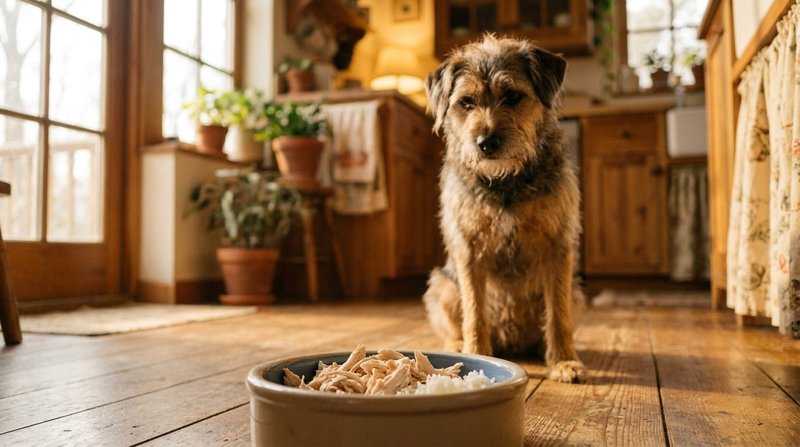
Bland Diet for Dogs: What to Feed an Upset Stomach
A bland diet for dogs settles a mild upset stomach or diarrhea. Learn the safe chicken-and-rice basics, how long to feed it, and when to call your vet.
Oct 23, 2026
• Gut Health & Probiotics
How Long Do Dog Probiotics Take to Work? A Realistic Timeline
How long do dog probiotics take to work? There's no magic number. Here's a realistic, vet-sourced timeline by situation - and when to call the vet instead.

Oct 21, 2026
• Gut Health & Probiotics
Why Is My Dog's Poop Black? Harmless Causes vs. a Real Red Flag
Black dog poop can be harmless food or supplement color - or melena, digested blood that needs a same-day vet. Here's how to tell the two apart fast.

Oct 19, 2026
• Gut Health & Probiotics
Dog Probiotics Side Effects: What's Normal and When to Worry
Dog probiotics side effects are usually mild - gas, loose stool, or a little bloating. Learn what's normal, the red flags that mean call the vet, and how to reduce them.
Oct 17, 2026
• Gut Health & Probiotics
Dog Diarrhea for 3 Days: Should You See the Vet?
Dog diarrhea for 3 days is past the wait-and-see window - call your vet today. Learn the red flags, the likely causes, and how to support your dog safely.
Oct 15, 2026
• Gut Health & Probiotics
Can Dog Probiotics Cause Diarrhea? What's Normal and What's Not
Can dog probiotics cause diarrhea? Yes - usually mild and brief. Learn why it happens, how to tell an adjustment from a red flag, and when to call your vet.
Oct 13, 2026
• Gut Health & Probiotics
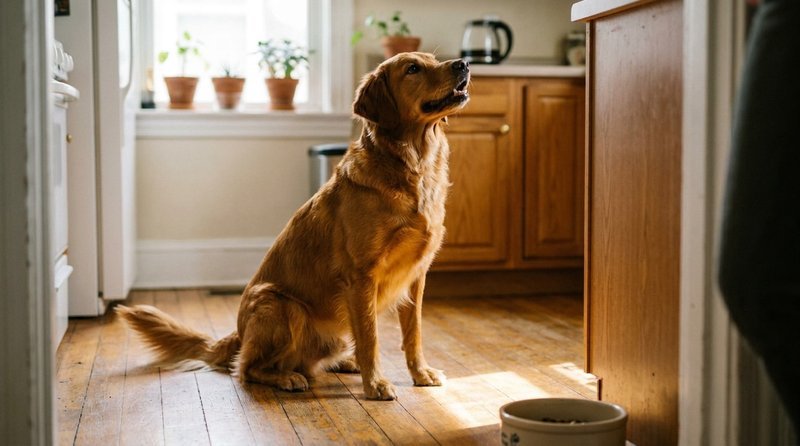
Mucus in Dog Poop: Causes and When to See a Vet
Mucus in dog poop is often minor, but blood or diarrhea can be urgent. A vet-sourced guide to the causes and a clear when-to-see-a-vet triage.
Oct 11, 2026
• Gut Health & Probiotics
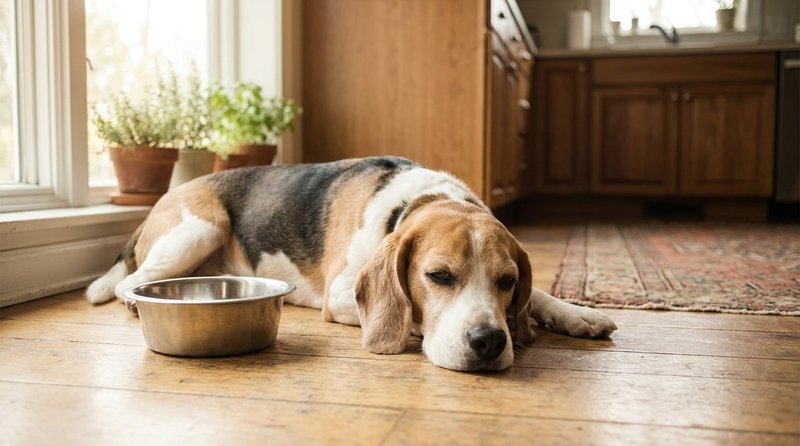
Should I Give My Dog Probiotics Every Day? A Vet-Informed Guide
Should I give my dog probiotics every day? For most dogs it's safe - but not every dog needs one. See the vet evidence, dosing, and when to ask your vet.
Oct 9, 2026
• Gut Health & Probiotics
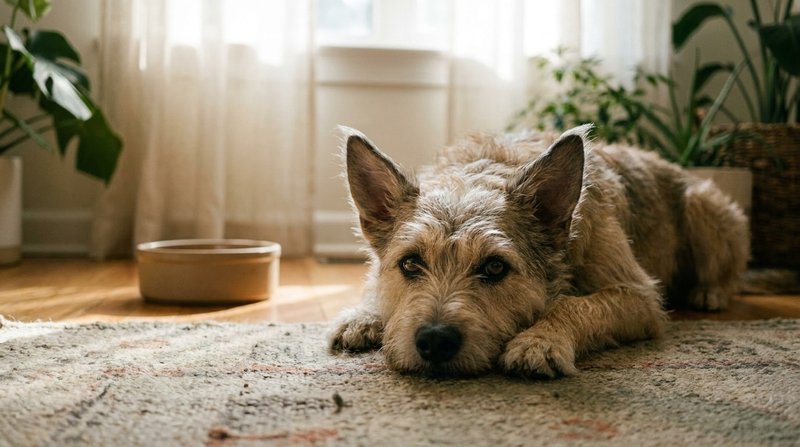
Pumpkin for Dog Diarrhea: Does It Work, and How Much to Give?
Does pumpkin help dog diarrhea? Plain canned pumpkin can firm up mild loose stool. See how it works, how much to give by weight, and when to call the vet.
Oct 7, 2026
• Gut Health & Probiotics
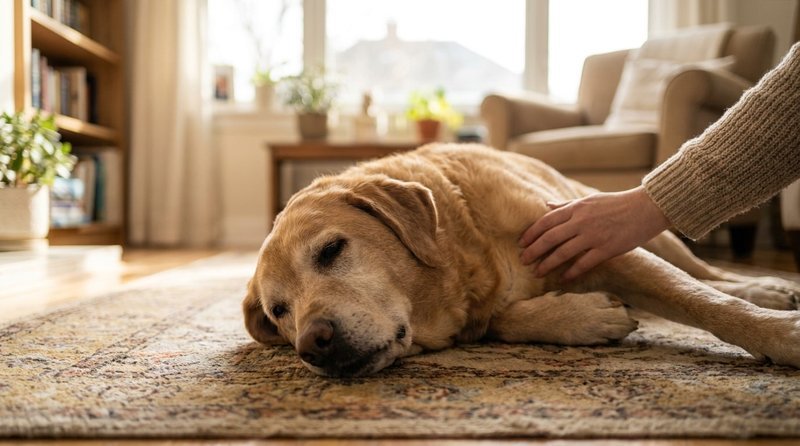
Dog Has Diarrhea but Acting Normal: What It Means and When to Worry
Dog has diarrhea but acting normal? It's usually a mild upset you can watch for 24-48 hours - here's the home plan and the red flags that mean call the vet.
Oct 5, 2026
• Gut Health & Probiotics
Signs Your Dog Needs Probiotics (and When to See a Vet Instead)
The signs your dog needs probiotics include loose stool, gas, and tummy trouble around stress, diet changes, or antibiotics - plus the red flags that mean call your vet.

Oct 3, 2026
• Gut Health & Probiotics
Dog Gut Health: A Complete Guide to Your Dog's Microbiome (2026)
Dog gut health is how well your dog's digestive system and microbiome work. Learn the signs, what helps, honest facts on probiotics, and when to call the vet.
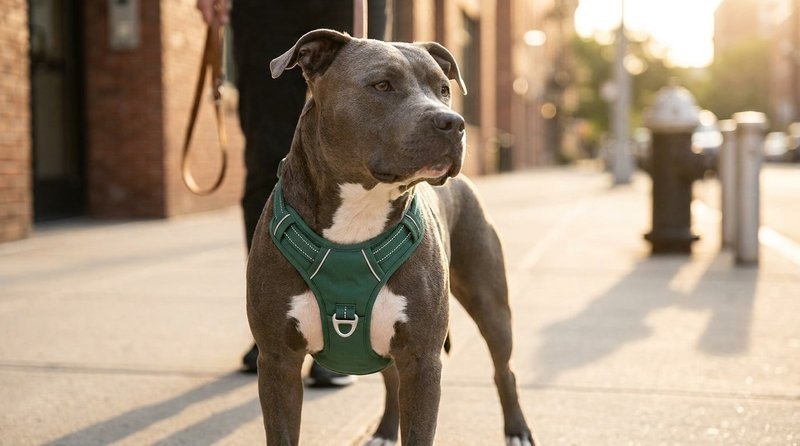
Oct 1, 2026
• Dog Harnesses
Best No-Pull Harness for Pit Bulls (2026 Guide)
The best no-pull harness for a pit bull is a durable dual-clip harness that fits a strong, deep-chested dog. See what actually holds up and our honest picks.
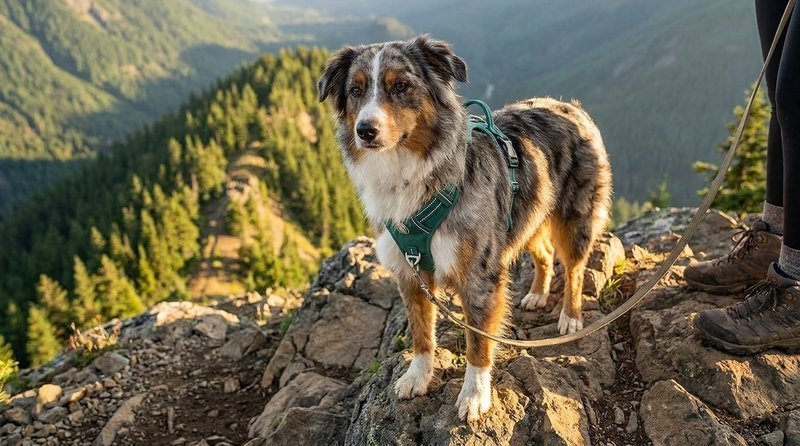
Sep 29, 2026
• Dog Harnesses
Best Harness for Hiking Dogs: How to Choose Trail-Ready Gear
The best harness for hiking dogs fits without loading the throat, clears the shoulders, and survives the trail. Here's how to choose one for your dog.
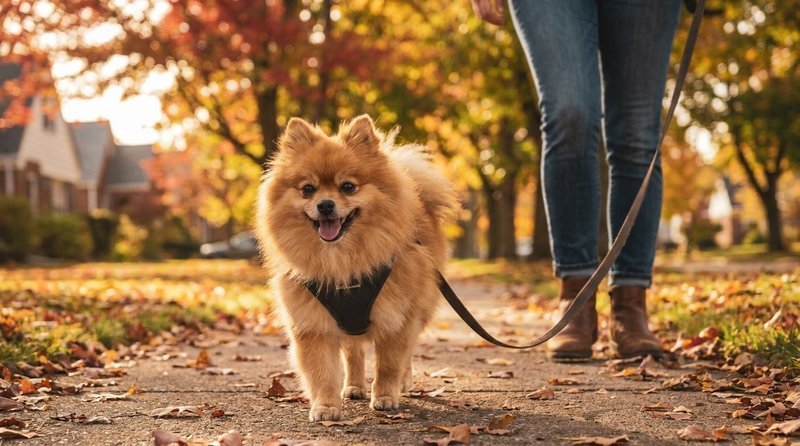
Sep 27, 2026
• Dog Harnesses
Best Harness for Dogs With Collapsed Trachea: A Vet-Informed Guide
The best harness for dogs with collapsed trachea keeps leash pressure off the neck, sits low, and never rides up. See vet features, honest picks, and fit.
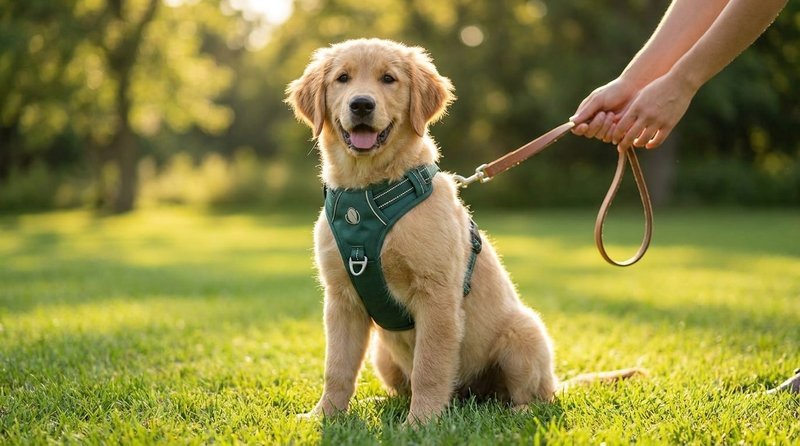
Sep 25, 2026
• Dog Harnesses
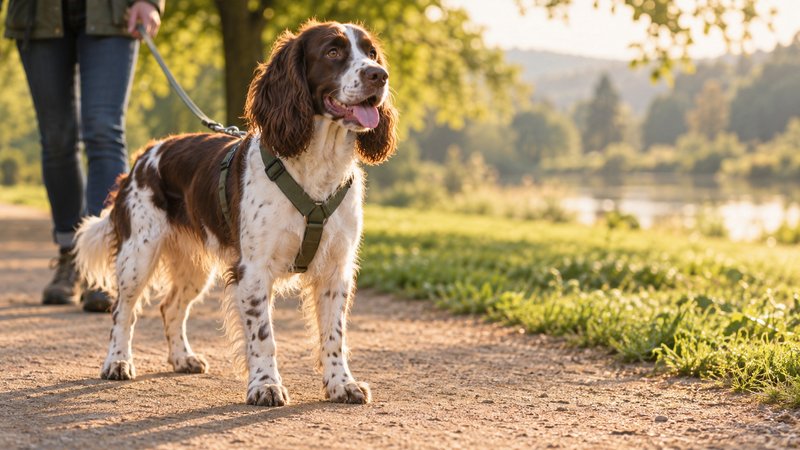
Best Harness for a Golden Retriever Puppy: Sizing, Fit & Top Picks
The best harness for a golden retriever puppy is an adjustable front-clip harness sized to their current chest girth. Here's how to size, fit and choose one.
Sep 23, 2026
• Dog Harnesses
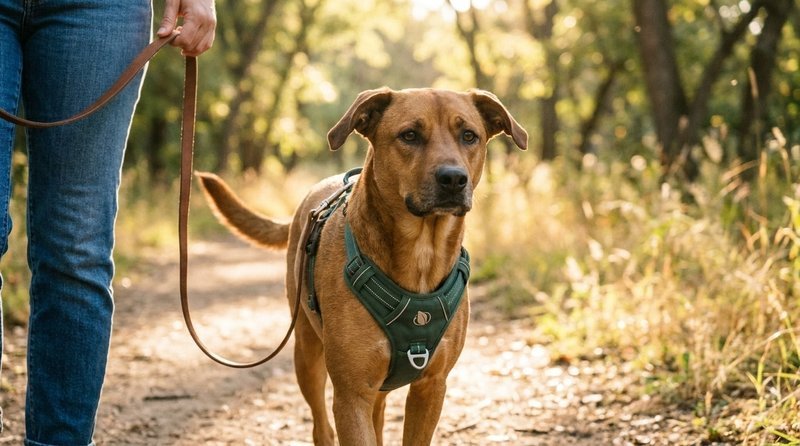
Y-Shaped Dog Harness: What It Is and How to Fit One
A Y-shaped dog harness keeps straps off the shoulders and neck. Learn why it's recommended, how it compares to an H-harness, and how to fit one right.
Sep 21, 2026
• Dog Harnesses
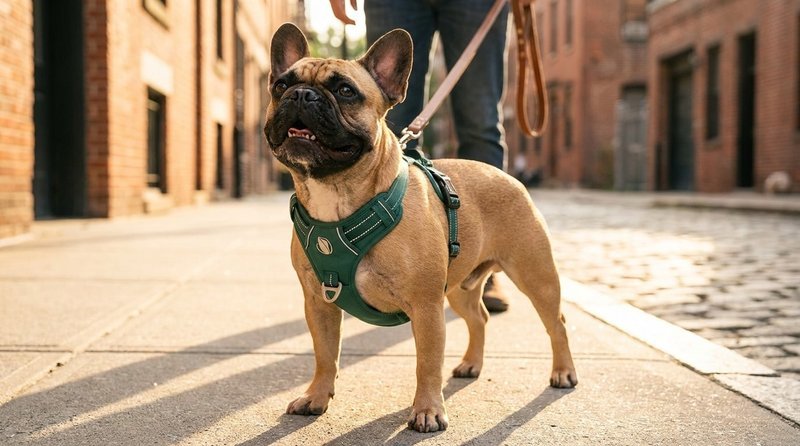
Best Harness for Dogs With Anxiety (2026 Guide)
A harness for dogs with anxiety keeps leash pressure off the neck and helps stop a panicking dog from bolting. See what features matter and our honest picks.
Sep 19, 2026
• Dog Harnesses
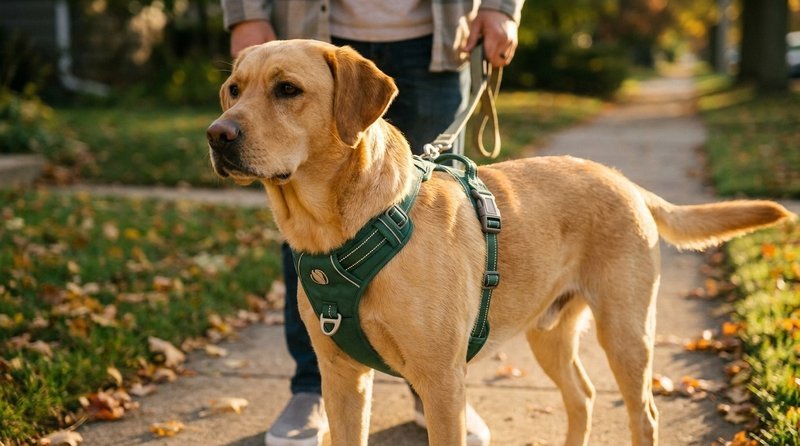
Best No-Pull Harness for French Bulldogs (2026 Guide)
The best no-pull harness for a French Bulldog sits low on the chest, off the throat, and steers instead of chokes. See our tested picks, sizing, and fit.
Sep 17, 2026
• Dog Harnesses
Are Harnesses Bad for Dogs? What the Evidence Actually Says
Are harnesses bad for dogs? No - but the wrong design or fit can be. See the vet research on risks, the pulling myth, and how to spot a good harness.

Sep 15, 2026
• Dog Harnesses
No Choke Harness for Dogs: How to Pick One That Protects the Neck
A no choke harness keeps leash pressure off your dog's throat and on the chest. Learn what makes one truly choke-free, plus the best picks for small dogs.
Sep 13, 2026
• Dog Harnesses
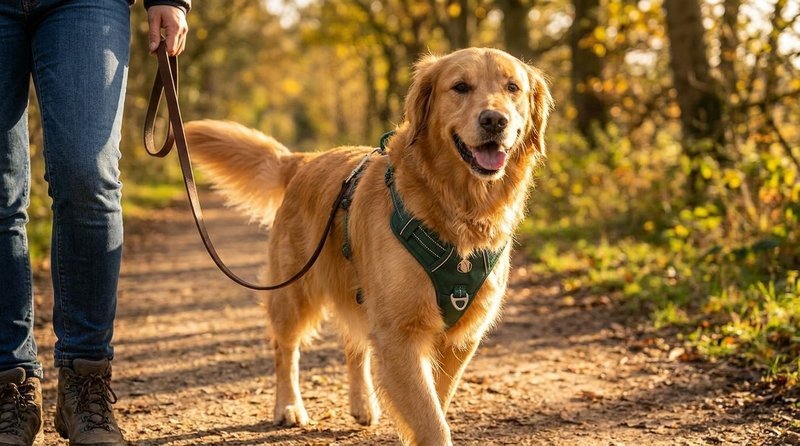
Front Clip vs Back Clip Harness: Which Is Right for Your Dog?
Front clip vs back clip harness: the front clip redirects pullers at the chest, the back clip frees calm walkers. See which fits your dog, plus fit and puppy tips.
Sep 11, 2026
• Dog Harnesses
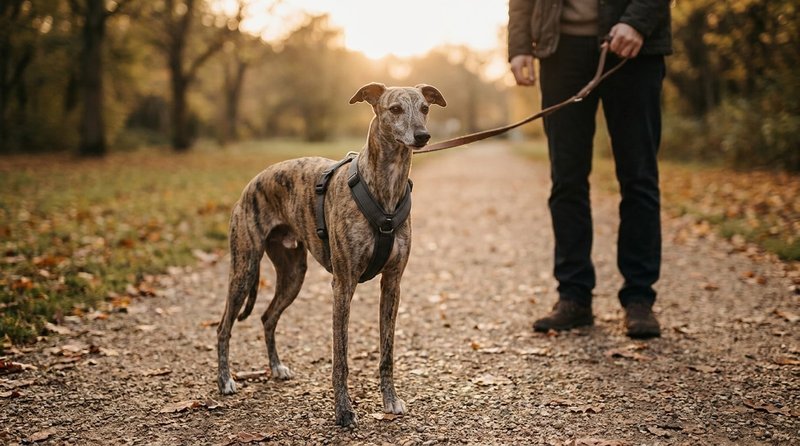
Escape Proof Dog Harness: What Actually Stops a Dog Backing Out
An escape proof dog harness stops a dog backing out with a snug fit and a third strap behind the ribcage. Learn what really works, safely.
Sep 9, 2026
• Dog Harnesses
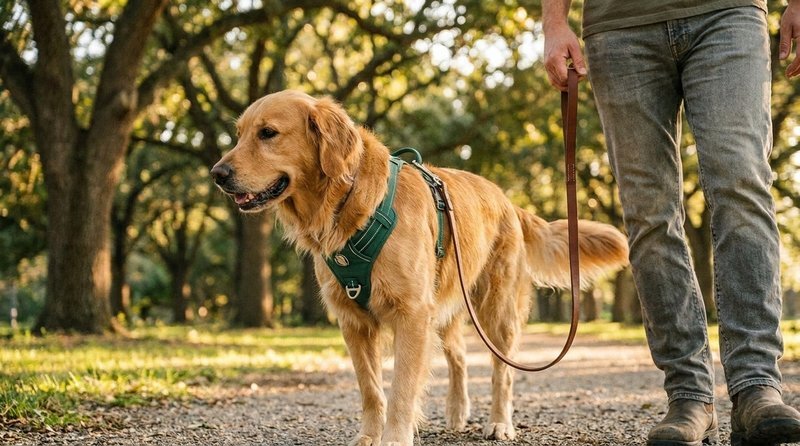
How to Stop a Dog From Pulling on Leash: A Force-Free Guide
Learn how to stop a dog from pulling on leash with a force-free, vet-aligned method: why dogs pull, a step-by-step training plan, and gear that helps.
Feb 5, 2026
• Dog Harnesses
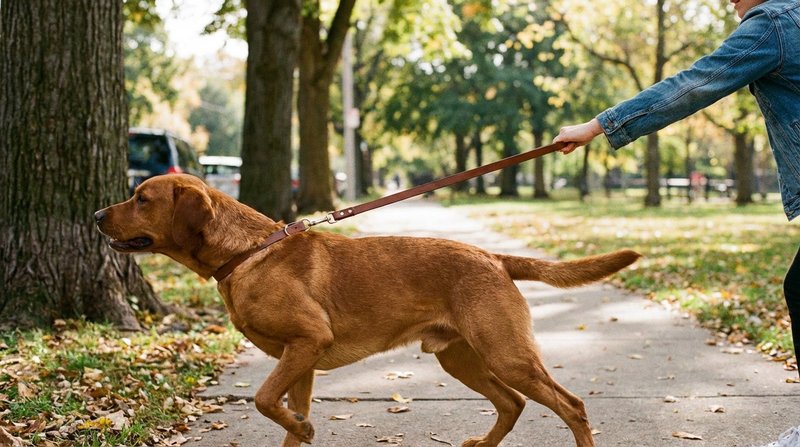
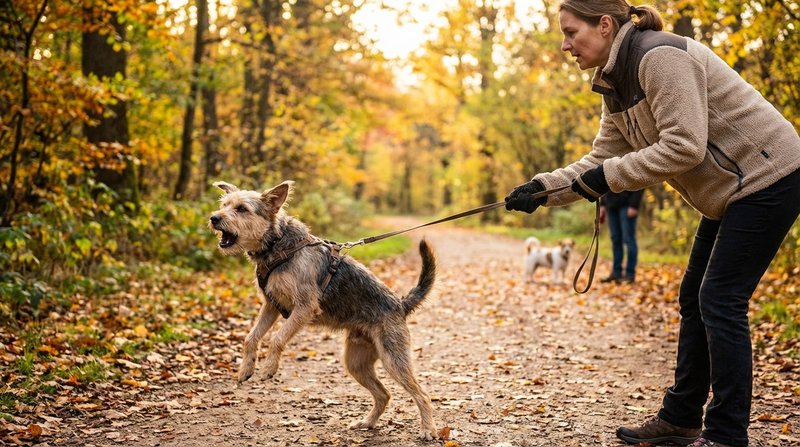
Best Harness for Dogs That Pull: A Pet Parent's Complete 2026 Guide
The best harness for dogs that pull features a front chest clip that redirects forward momentum. Learn the physics behind why front-clip harnesses work and which features actually stop pulling.
Feb 5, 2026
• Dog Harnesses
Best Harness for Reactive Dogs: A Pet Parent's Complete Guide
The best harness for reactive dogs features a front chest clip, secure fit, and padded design. Learn what features matter most and how the right harness can transform stressful walks.

Feb 5, 2026
• Dog Harnesses
Best Dog Harnesses of 2026: Expert Reviews & Hands-On Testing
We tested 10 popular dog harnesses for fit, comfort, durability, and pull control. Find the perfect harness for your pup with our comprehensive reviews.

Feb 5, 2026
• Dog Harnesses
Dog Harness Types: The Complete Guide to Choosing the Right One
Dog harness types include back-clip, front-clip, dual-clip, step-in, over-the-head, Y-harness, H-harness, and no-pull designs. Learn which type works best for your dog's behavior, body shape, and activities.

Jan 26, 2026
• Dog Harnesses
Dog Harness vs Collar: Which Is Safer for Your Dog?
Research shows collar pressure during pulling can damage your dog's neck. Learn when to use a harness vs collar and which is safer for your specific dog.