

Black dog poop has two very different explanations. Harmless dark stool - from iron supplements, bismuth medicines like Pepto-Bismol, organ meat, or dark foods - stays fairly firm and normal-smelling. True black, tarry, sticky, glossy stool with a strong metallic odor is called melena, and it usually means digested blood from bleeding in the upper digestive tract. Melena is a same-day veterinary matter, even in a dog that seems fine. When black stool comes with vomiting, pale gums, weakness, or collapse, it is an emergency.
You scoop the yard, glance down, and your stomach drops: the poop is black. Is it last night’s liver treat, or something serious?
Here’s the honest version. Sometimes black dog poop really is just dinner or a supplement doing its thing. But it can also be the single most important message your dog’s stool ever sends you - digested blood, called melena, from bleeding somewhere in the upper gut. The whole job of this guide is helping you tell those two apart quickly, and knowing exactly when to pick up the phone.
You’ll learn what black poop means, the look-feel-smell test that separates harmless dark stool from melena, the everyday causes and the serious ones, the honest answer to “but he’s acting totally normal,” the emergency signs, and what to do right now. We write with veterinary sources and this article is reviewed by a licensed vet - but your own vet, who can see and test your dog, always has the final word.
Table of Contents
- What Does Black Dog Poop Mean?
- Harmless Dark Stool vs. Melena: How to Tell the Difference
- Harmless Causes of Black Dog Poop
- Serious Causes of Black Dog Poop (Melena)
- My Dog's Poop Is Black but He's Acting Normal - Should I Worry?
- When Black Dog Poop Is an Emergency
- What to Do While You Wait for the Vet
- What the Vet Will Do
- Frequently Asked Questions
- The Bottom Line
What Does Black Dog Poop Mean?
When stool turns truly black, the cause vets worry about is melena - partially digested blood. Blood from the stomach or upper small intestine gets broken down by digestive enzymes as it travels, which turns it dark and tarry by the time it leaves the body. That’s different from bright red blood, which usually comes from lower down (the colon, rectum, or anus) and points to a different set of causes - our guide on why your dog’s poop is red covers that side.
But “dark” doesn’t automatically mean blood. Food, supplements, and medications can all darken stool without a drop of bleeding involved. The catch - and it’s an important one - is that you can’t tell for certain by color alone. That’s why the texture, smell, and the rest of the picture matter so much. For the bigger picture on what healthy digestion looks like, see our dog gut health guide.
Harmless Dark Stool vs. Melena: How to Tell the Difference
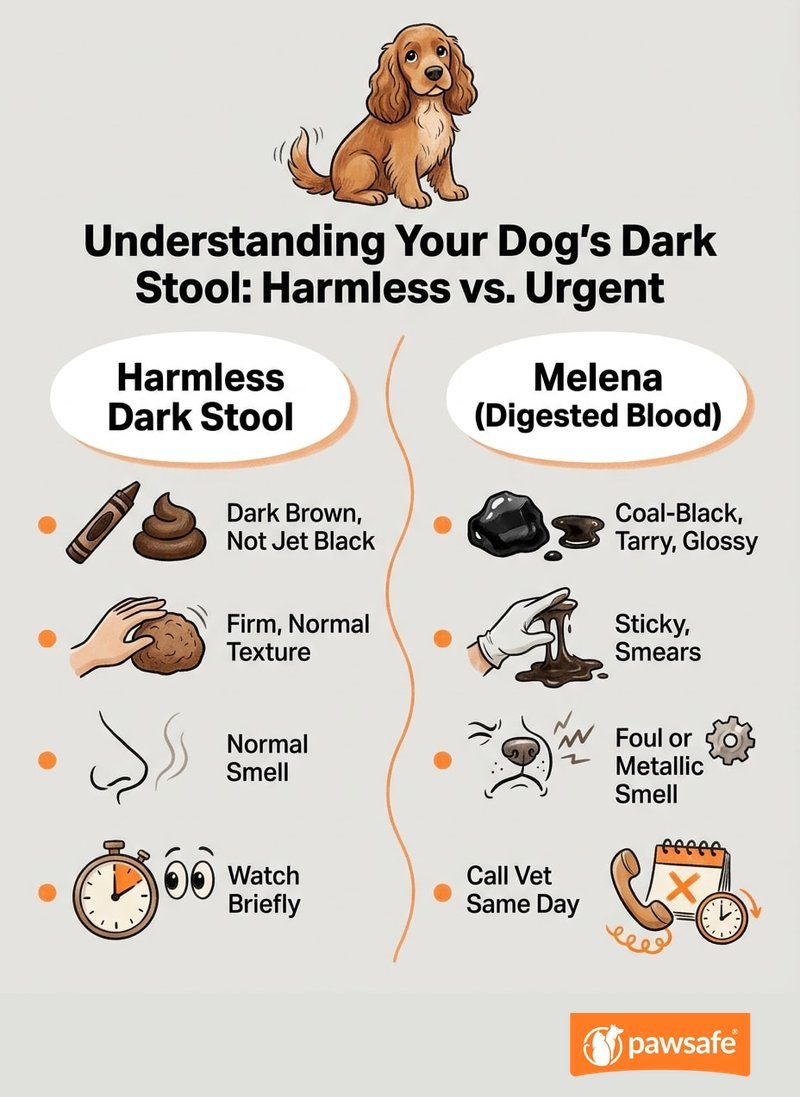
Most of the time, telling a harmless dark stool from a dog poop that is black with digested blood comes down to a few clues you can check right in the yard.
Harmless dark stool tends to be:
- Dark brown to brown-black rather than pitch-black
- Fairly firm and normal in texture
- Normal-smelling
- Traceable to a food or supplement (below)
Melena tends to be:
- Coal-black or pitch-black
- Tar-like - glossy, sticky, or smeary, clinging to surfaces
- Foul or metallic-smelling
- Sometimes loose, sometimes formed
One quick screen vets suggest: smear a little on a white paper towel. A reddish-brown or truly black residue is a reason to call. Snap a photo, too. But treat all of this as screening, not proof - a formed stool doesn’t rule out melena, and a normal smell doesn’t guarantee there’s no blood. When the color is genuinely black and you’re not sure, act as if it could be blood until your vet says otherwise.
Harmless Causes of Black Dog Poop
If your dog is bright and the stool is dark-but-firm, one of these everyday causes is often behind it:
- Bismuth medicines (Pepto-Bismol and similar). These darken stool as a known side effect - but they also mask true bleeding and contain a salicylate that isn’t safe for a bleeding dog, so never give them without your vet.
- Iron supplements. A common, expected cause of dark stool. Still worth mentioning to whoever prescribed the iron, since too much can irritate the gut.
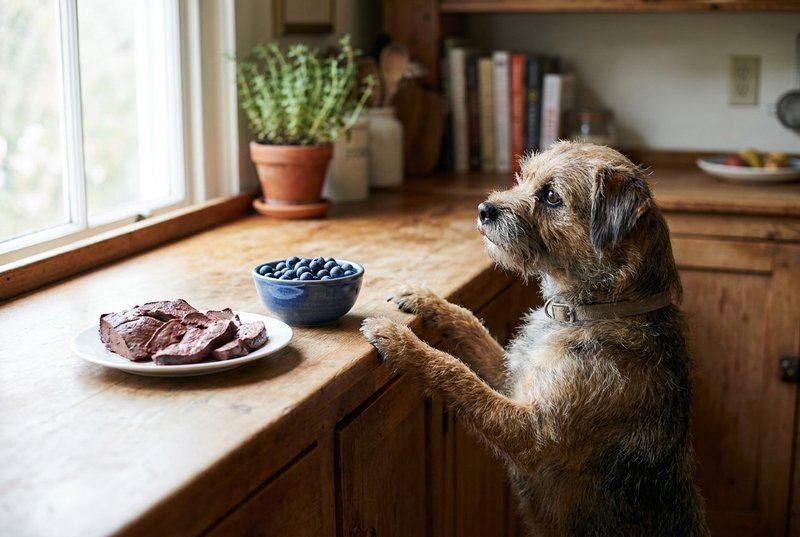
- Liver and organ meats, or large amounts of dark red meat. Rich, pigment-heavy food can darken stool.
- Deeply pigmented foods - blueberries in quantity, dark food dyes.
- A recent food switch to a darker recipe (though a food change alone shouldn’t produce pitch-black, tarry stool).
- Veterinary activated charcoal, which can turn stool jet-black for a day or two after it’s given. (This is not the same as charcoal or ash from a grill or fire pit, which can be genuinely harmful - keep dogs away from barbecue debris.)
Even with a likely food explanation, dark stool is worth a call when you’re unsure - your vet can run a quick test on a fresh sample to check for hidden blood. For other stool changes worth understanding, our guide to mucus in dog poop is a helpful companion.
Serious Causes of Black Dog Poop (Melena)
When black stool is melena, it means something is bleeding upstream. The causes worth knowing:
- Stomach or intestinal ulcers. A leading cause - and the most preventable trigger is human pain medicine. The FDA warns that ibuprofen, aspirin, and naproxen can cause ulcers, perforation, and kidney or liver damage in dogs. Never give human NSAIDs, and tell your vet about any pain medication your dog takes if black stool appears. Underlying kidney or liver disease and severe illness can cause ulcers too.
- Severe parasites. Hookworms attach to the gut lining and feed on blood; Cornell notes heavy infections can cause tarry stool and dangerous anemia, especially in puppies.
- A swallowed foreign object scraping or blocking the gut - an emergency in its own right.
- Rat poison and clotting disorders. Anticoagulant rodenticides stop blood from clotting and cause internal bleeding. Not every rat poison works this way, so if you suspect any exposure, bring the packaging and call immediately - this is an emergency.
- Liver or kidney disease, gut inflammation, or tumors, which can all bleed or promote ulcers.
- Swallowed blood from a nosebleed, mouth injury, or the airway can be digested and passed as melena, too.
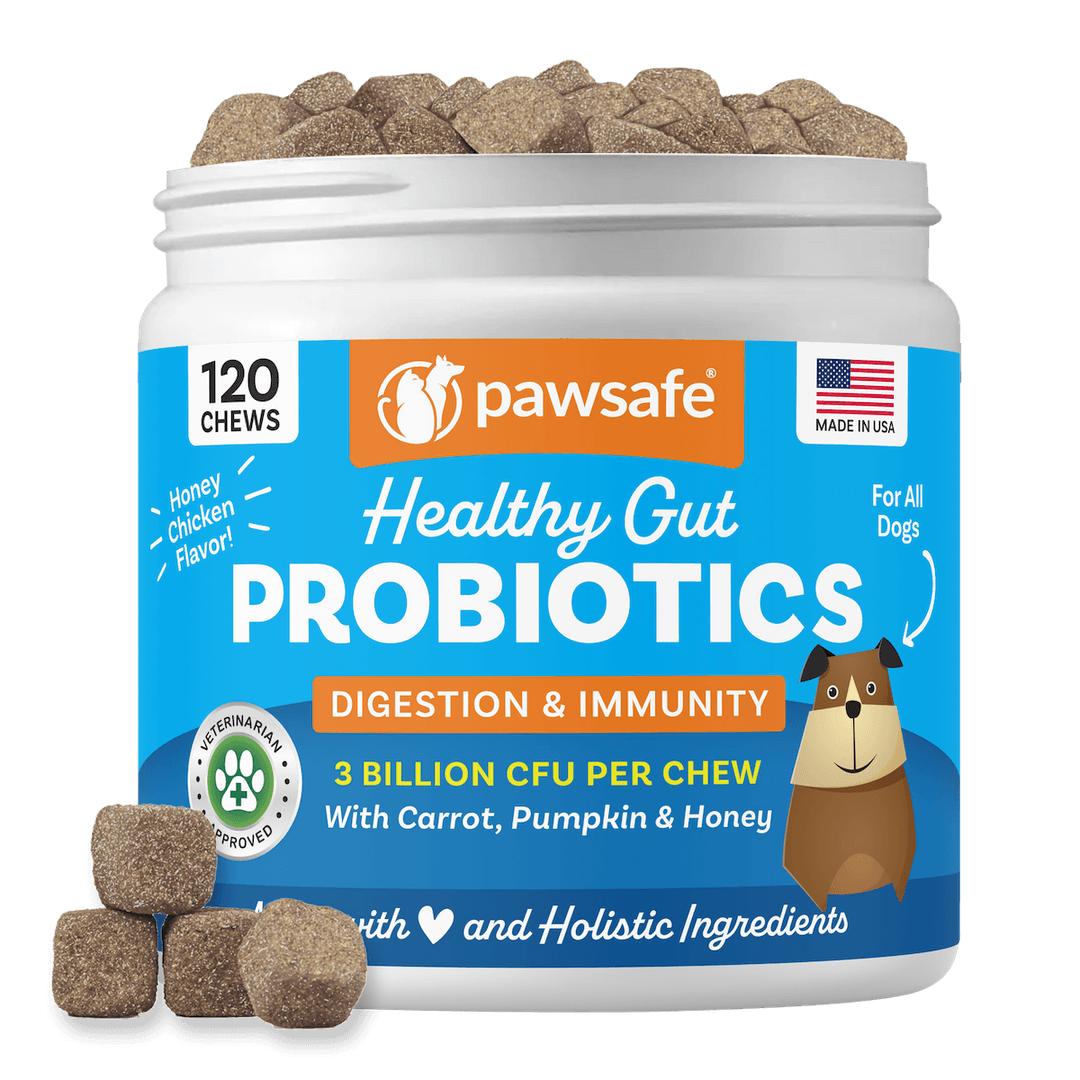
Daily Support For Healthy Digestion
Multi-strain probiotic soft chews that help maintain gut balance and stool quality in an easy, tasty format.
Shop Now 👉Vet Approved Formula • 90-Day PawSafe® Promise
My Dog’s Poop Is Black but He’s Acting Normal - Should I Worry?
“Dog poop black but acting normal” is one of the most-searched versions of this worry, and the honest answer matters: yes, if the stool is genuinely black and tarry. A dog can have an early ulcer or a slow internal bleed and still eat, play, and greet you at the door - normal behavior does not rule out melena. Blood loss can be underway before a dog looks sick.
Here’s the balanced version. A single, dark-brown, firm stool with an obvious food or supplement explanation, in a dog who is completely well with pink gums and no other symptoms, can reasonably be watched for a short window - about the next bowel movement, or 12 to 24 hours. If it returns to normal brown, you can relax.
But a coal-black, tarry, sticky stool - or a second black stool, or any accompanying sign - earns a same-day vet call even if your dog seems perfectly happy. When in doubt, photograph it, save a sample, and let a professional make the call.
When Black Dog Poop Is an Emergency
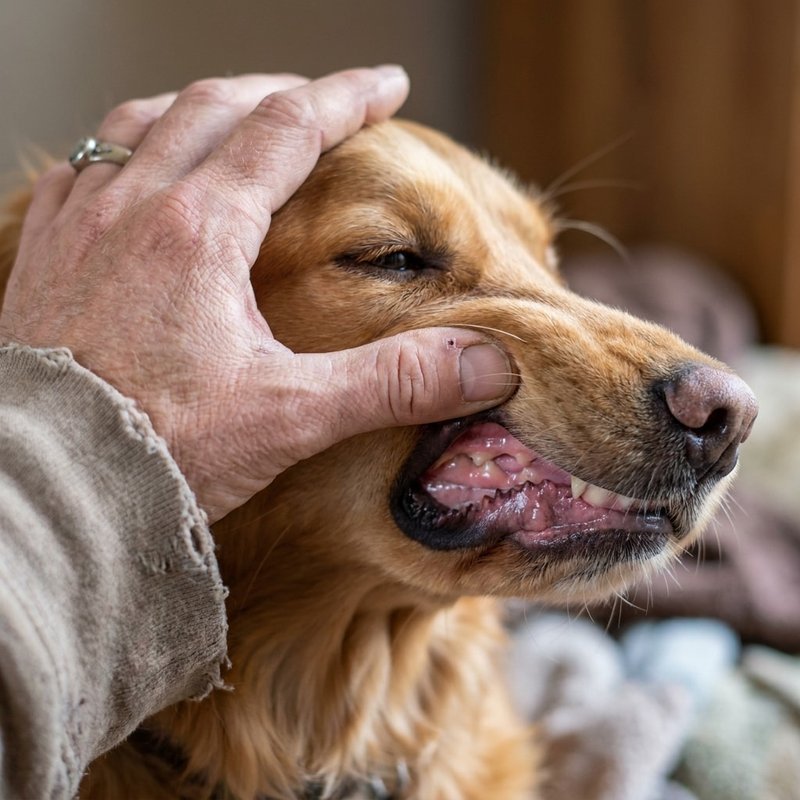
First, a quick circulation check you can do at home: lift your dog’s lip and look at the gums. Normally they’re pink and moist. Press gently until the spot blanches, then release - the pink should return in about one to two seconds. Pale, white, grey, or blue gums, or slow color return, can signal blood loss. (This is a rough screen, not a diagnosis - and a normal result doesn’t rule bleeding out, so don’t let it delay care.)
Get to an emergency vet now if black or tarry stool comes with any of these:
- Pale, white, grey, or blue gums
- Weakness, wobbliness, collapse, or unusual lethargy
- Rapid or labored breathing
- Repeated vomiting, or vomit that looks like coffee grounds
- A painful, tense, or swollen belly
- Refusing food and water, or unable to keep water down
- Known or suspected rat poison, human medication, or a swallowed object
- A puppy with black diarrhea, pale gums, or weakness
Vomiting alongside black stool is especially worrying, and coffee-ground vomit can itself be a sign of upper-gut bleeding. Reputable owner guidance from the AKC lines up on these thresholds.

What to Do While You Wait for the Vet
Once you’ve made the call, a few steps help without muddying the diagnosis:
- Keep the human medicine cabinet shut. No aspirin, ibuprofen, naproxen, or Pepto-Bismol - they can worsen bleeding or hide it. If your dog is on a prescribed NSAID, stop the next dose and tell the prescribing vet.
- Offer small sips of water if your dog isn’t vomiting; ask the clinic before offering food, since imaging or a procedure may change the plan.
- Photograph the stool in good light, ideally beside a white tissue, and save a fresh sample in a sealed bag if it won’t delay care.
- Write a quick log: when it started, how often, any vomiting, energy, appetite, and every recent food, treat, medication, or supplement.
- Bring the evidence - medication bottles, supplement labels, or rat-poison packaging - and don’t try to make your dog vomit unless a vet or poison line tells you to.
What the Vet Will Do
A black-stool workup is methodical, and catching a cause early is exactly what makes most of them treatable. Your vet will take a history - recent foods, medications, toxin access - and examine your dog’s gums, hydration, and belly. From there they may run bloodwork (red-cell count and clotting tests), a fecal exam and a test for hidden blood, and imaging like x-rays or ultrasound; endoscopy is the gold standard for finding a stomach or upper-intestinal ulcer. Treatment follows the cause - fluids and stomach-protecting medication for ulcers, stopping an offending drug, deworming, removing a foreign object, or a specific antidote for anticoagulant rat poison. A gentle, digestible recovery diet usually comes once your dog is stable.
Frequently Asked Questions
Gut & Immune Support In One Chew
Targeted strains assist normal digestion while supporting natural immune defenses—simple once-a-day routine.
Shop Now 👉Vet Approved Formula • 90-Day PawSafe® Promise
Is black dog poop an emergency?
Black stool is an emergency when it’s tarry or comes with pale gums, weakness, collapse, breathing trouble, repeated vomiting, coffee-ground vomit, a painful or swollen belly, appetite loss, or possible toxin or foreign-object exposure. Even without those signs, truly black, tarry stool (melena) still warrants a same-day call to your vet.
My dog’s poop is black but he’s acting normal - should I worry?
Yes, if it’s genuinely black and tarry. A dog can have an ulcer or early internal bleeding and still eat and play normally, so normal behavior doesn’t rule it out. Call your vet the same day. A single dark-brown, firm stool with an obvious food or supplement cause and no other signs can be watched briefly - roughly the next bowel movement or 12 to 24 hours.
Can food or supplements turn my dog’s poop black?
Yes. Iron supplements, bismuth medicines like Pepto-Bismol, veterinary activated charcoal, liver and other organ meats, large amounts of dark red meat, and deeply pigmented foods can all darken stool. The problem is that color alone can’t confirm a harmless cause, so when the stool is truly black or tarry, treat it as possible blood until your vet says otherwise.
What does melena look like?
Classic melena is coal-black or pitch-black and tar-like. It often looks glossy, feels sticky or smeary, leaves a dark residue on a white tissue, and can smell unusually foul or metallic. It may be loose or fairly formed - a formed stool does not rule it out - so no single feature is proof on its own.
Make Digestive Care Effortless
Palatable soft chews your dog looks forward to, helping keep things regular and comfortable over time.
Shop Now 👉Vet Approved Formula • 90-Day PawSafe® Promise
Can Pepto-Bismol or iron cause black stool?
Both can turn stool black. Bismuth (Pepto-Bismol) is especially tricky because it darkens stool and can mask true bleeding, and it contains a salicylate that isn’t safe for a bleeding dog. Iron in excess can injure the gut itself. Tell your vet about either rather than assuming the color is harmless - and never give human medicines without veterinary guidance.
Black vs red dog poop - what’s the difference?
Black, tarry stool usually means digested blood from higher up - the stomach or upper small intestine. Bright red blood more often comes from lower down, in the colon, rectum, or anus. The distinction helps your vet localize the problem, but it isn’t absolute, and the amount of blood and any other symptoms decide how urgent it is.
What should I do while waiting to see the vet?
Don’t give any human medicine. Keep fresh water available if your dog isn’t vomiting, and ask the clinic whether to offer food. Photograph the stool (beside a white tissue helps), save a fresh sample if it won’t delay care, and note recent foods, medicines, supplements, and any possible toxins. Bring the packaging. Head in immediately if your dog weakens or shows pale gums, vomiting, pain, or breathing trouble.
Can probiotics help after black stool?
Only as a vet-recommended recovery aid once the cause of the bleeding has been found and controlled - and for everyday gut support in a healthy dog. Probiotics do not stop bleeding, heal an ulcer, or treat melena, and the evidence for shortening digestive upsets is mixed. They’re a supportive extra, never a substitute for veterinary care.
The Bottom Line
Black dog poop sits on a spectrum from completely harmless to genuinely urgent, and your job is simply to tell which end you’re looking at - then let your vet confirm it.
- Dark but firm, normal-smelling, with a food or supplement cause - often harmless; watch the next bowel movement
- Coal-black, tarry, sticky, or metallic - that’s possible melena; call your vet the same day, even if your dog seems fine
- Black stool plus pale gums, vomiting, weakness, or a painful belly - emergency, now
- Never give human pain relievers or Pepto-Bismol - they can worsen or hide bleeding
- Color alone isn’t proof - when in doubt, photo it, bag a sample, and call
Once your vet has ruled out bleeding and your dog is on the mend, everyday gut support can help them bounce back - a daily probiotic like our Probiotic Soft Chews pairs a multi-strain blend with prebiotic fiber and pumpkin to support balanced digestion and firm, healthy stools over time. Explore our gut health and probiotics guides for more - and whenever black dog poop leaves you unsure, trust your instinct and call your vet.