


Dog tartar buildup tracks the veterinary stages of periodontal disease, graded 0 to 4 by how much support each tooth has lost - not by how much tartar you can see. It starts as soft plaque that hardens into tartar within days, triggering reversible gingivitis (Stage 1). As infection spreads below the gumline, periodontitis (Stages 2 to 4) causes increasing, irreversible loss of the bone and tissue holding the teeth. Only a veterinarian can remove hardened tartar and truly stage the disease with an exam and dental X-rays.

That yellow-brown crust creeping across your dog’s teeth isn’t just cosmetic - it’s a timeline. Tartar is the visible marker of a progressive disease that, left alone, moves from a bit of gum redness to lost teeth and real pain.
So how bad is it, and is it too late to help? This guide maps tartar buildup onto the stages vets actually use, shows you what each looks like at home, explains what’s still reversible, and makes clear when it’s time for a vet. We’ve helped more than 300,000 pet parents care for their dogs, and everything here leans on veterinary sources. One honest note up front: this is general education - only a vet can diagnose your dog’s stage, because most of what matters happens below the gumline. Dental disease is common, too: by some estimates, up to 80% of dogs show signs by age two or three.
Table of Contents
- From Plaque to Tartar: How Buildup Starts
- The Stages of Tartar and Dental Disease in Dogs (Grades 0-4)
- How to Spot Each Stage at Home
- Which Tartar Stages Are Reversible?
- Why Tartar Stages Matter Beyond the Mouth
- How Vets Treat Each Stage (What to Expect)
- Preventing Tartar: Keeping Your Dog at Stage 0-1
- When to See a Vet
- Frequently Asked Questions
- The Bottom Line
From Plaque to Tartar: How Buildup Starts
Every stage begins the same way. Plaque is a soft, sticky film of bacteria, saliva, and food particles that forms on the teeth within hours of eating. If it isn’t removed, minerals in saliva start to harden it - beginning in about 24 hours, and commonly forming visible tartar (also called calculus) within 24 to 72 hours.
Tartar is that rough, yellow-brown crust, and it forms both above the gumline (where you can see it) and below it (where you can’t). Its rough surface shelters even more bacteria, which drives inflammation in the gums. Here’s the key fact that shapes everything below: once plaque hardens into tartar, brushing can’t remove it - only a professional cleaning can.
The Stages of Tartar and Dental Disease in Dogs (Grades 0-4)
First, an honest clarification: vets don’t actually grade the amount of tartar you can see. They stage periodontal disease - the destruction of the structures holding each tooth - on a scale of 0 to 4 (written PD0-PD4), based mainly on how much attachment and bone has been lost. A tooth caked in tartar might be an early stage, while a cleaner-looking tooth can hide serious disease below the gum. That’s why AAHA’s dental guidelines say staging is most accurate tooth-by-tooth under anesthesia, with probing and dental X-rays - in one study, 28% of teeth that looked normal to the eye had important findings on X-ray.
With that caveat, here’s how visible buildup roughly maps to the stages:
| Stage | What’s happening | What you might see | Reversible? |
|---|---|---|---|
| Stage 0 - Healthy | Intact, healthy gums and support | Clean teeth, firm pink gums, no odor beyond normal | Healthy - keep it here |
| Stage 1 - Gingivitis | Inflammation of the gums only; no attachment loss | Plaque/thin tartar, a red line at the gumline, gums may bleed when touched, mild bad breath | Yes - reversible with cleaning + home care |
| Stage 2 - Early periodontitis | Under 25% of the tooth’s support lost | Obvious tartar, inflamed gums, persistent bad breath, maybe early recession | No - can be halted, not reversed |
| Stage 3 - Moderate periodontitis | 25-50% support lost | Receding gums, exposed roots, heavy tartar, possible loose teeth, pain, foul breath | No - manageable, not reversible |
| Stage 4 - Advanced periodontitis | Over 50% support lost | Loose or missing teeth, exposed roots, abscesses, severe odor, drooling, difficulty eating, facial swelling | No - guarded outlook for affected teeth |
The single most important line runs between Stage 1 and Stage 2: gingivitis is reversible, periodontitis is not. Catch it at Stage 1 and a cleaning plus home care can return the gums to health. Once support is lost (Stage 2+), treatment can stop the disease progressing and relieve pain, but it can’t rebuild what’s gone.

How to Spot Each Stage at Home
You can’t truly stage your dog’s mouth at home - that needs a vet exam and X-rays - but a regular lip-lift helps you catch trouble early. Look for:
- Teeth: a sticky film or hardened yellow-brown deposits, uneven buildup, or any broken, loose, discolored, or missing teeth.
- Gums: new redness or puffiness at the gumline, bleeding, or gums pulling back to expose the roots.
- Breath and saliva: persistent bad breath, heavy drooling, or blood-tinged saliva.
- Eating and behavior: chewing on one side, dropping food, going slow, avoiding hard chews, pawing at the mouth, or shying from having their face touched.
One caution: dogs often keep eating despite real mouth pain, so a normal appetite doesn’t mean the mouth is fine. And please don’t try to force open a sore mouth or scrape at the teeth - a painful dog may bite, and home scraping can injure your dog while leaving the disease below the gum untreated.

Which Tartar Stages Are Reversible?
This is worth repeating because it drives the urgency:
- Soft plaque can be removed at home by brushing - before it hardens.
- Hardened tartar can’t be brushed off at all; it needs professional scaling.
- Stage 1 gingivitis is reversible: clean the teeth, control plaque, and the gums heal.
- Stage 2-4 periodontitis is irreversible: the lost bone and attachment don’t return. Good veterinary care can stabilize the disease, save teeth where possible, and relieve pain - but the earlier you act, the more you keep.
The takeaway is simple: every day of plaque control, and every stage you catch earlier, protects teeth you can’t get back.

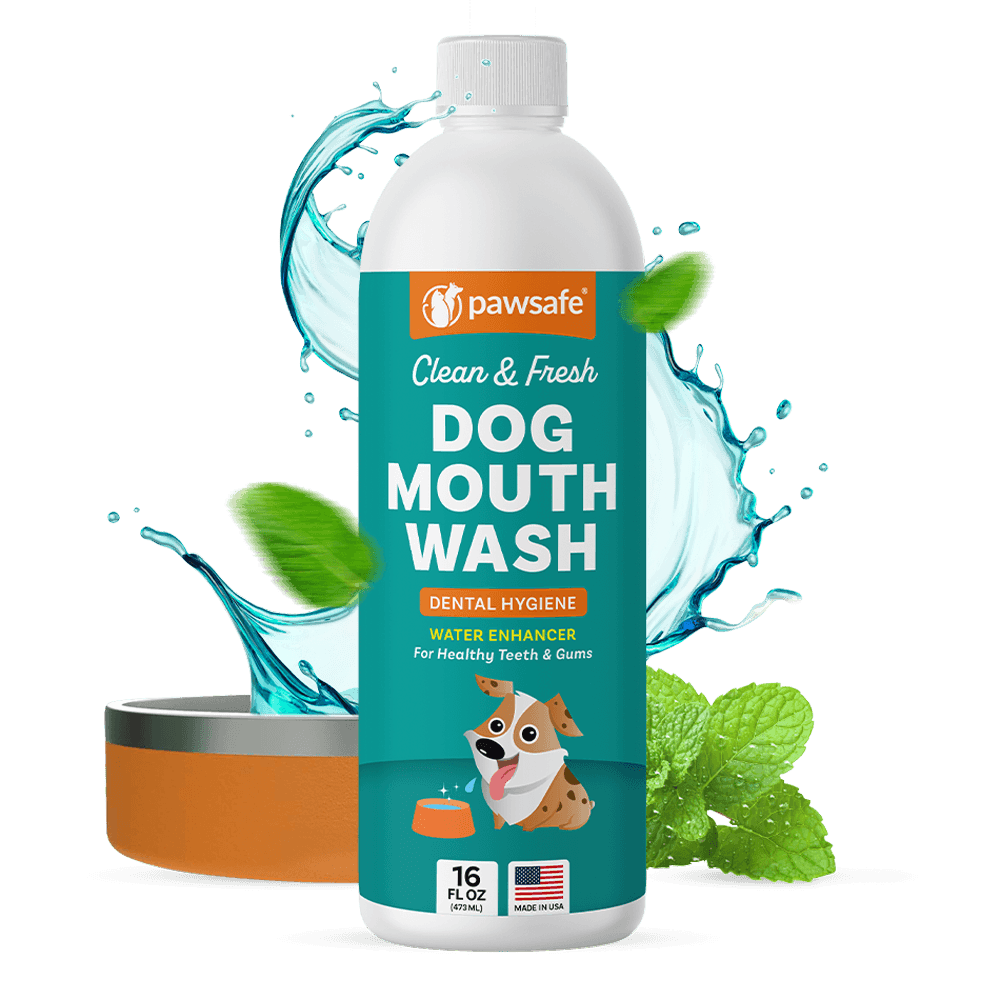
Fresh Breath The Easy Way
Just add to the water bowl to support cleaner mouths and noticeably fresher breath without daily brushing struggles.
Shop Now 👉Fresh Breath Guarantee • 90-Day PawSafe® Promise
Why Tartar Stages Matter Beyond the Mouth
Advanced dental disease isn’t just about bad breath. It causes chronic pain, gum recession, abscesses, and tooth loss - and in tiny dogs, severe bone loss in the jaw can even raise the risk of a jaw fracture.
There may be whole-body effects too, though the language here matters. Advanced periodontal disease has been associated with inflammatory changes in the kidneys, liver, and heart, and more severe disease tends to correlate with more of those findings. That’s an association, not proof that visible tartar directly causes organ disease - but it’s a solid reason not to let dental disease quietly advance.
How Vets Treat Each Stage (What to Expect)
Treatment is decided tooth-by-tooth after an exam, probing, and X-rays - so think of this as what generally happens, not a plan to follow at home:
- Stage 0-1: a professional cleaning (scaling and polishing above and below the gumline) plus home plaque control. At Stage 1, this can resolve the gingivitis.
- Stage 2: the same, plus treatment of any early pockets below the gum.
- Stage 3: deeper periodontal therapy such as root planing or surgery for teeth worth saving, and extraction of teeth that aren’t.
- Stage 4: extraction of non-salvageable teeth is common, sometimes with advanced periodontal surgery; the outlook for keeping affected teeth is guarded.
A proper cleaning is done under general anesthesia so the team can examine, X-ray, and clean below the gumline safely. That’s why “anesthesia-free” cleaning isn’t equivalent care - the AVMA, AAHA, and the American Veterinary Dental College note it only scrapes visible surfaces and can’t treat the disease that actually matters, below the gums. And here’s the reassuring part: dogs almost always feel better after treatment - even ones that need extractions - because the pain and infection are gone.
Preventing Tartar: Keeping Your Dog at Stage 0-1
You can’t reverse periodontitis, but you can do a lot to keep your dog out of it:
- Daily brushing is the gold standard - it removes plaque before it hardens. (It removes plaque, not tartar, so it works best as prevention.)
- VOHC-accepted adjuncts - dental chews, wipes, water additives, and diets carrying the Veterinary Oral Health Council seal - support brushing.
- Regular veterinary exams (the AVMA recommends checking teeth and gums at least yearly), so a vet can find hidden disease and advise when a cleaning is due.
Where a water additive fits: it’s a prevention-and-maintenance helper for the earliest stage - it can freshen breath and help slow new plaque - but to be clear, it does not remove tartar or treat any stage of periodontitis. If brushing is a struggle at your house, our Dog Mouthwash is one easy add-to-the-bowl option for everyday plaque and breath, best paired with brushing and vet checkups rather than used instead of them.
For the difference between the soft and hard stuff, see our guide to dog plaque vs tartar; for the gum side of the story, see dog gum disease stages; and to build the whole plan, our dog dental care routine ties it together.
When to See a Vet
Because tartar can’t be removed at home and hides what’s happening below the gum, any visible tartar is reason enough to book a dental exam. Make the appointment if you notice:
- Yellow or brown tartar on the teeth
- Persistent bad breath
- Red, swollen, bleeding, or receding gums
- Loose, broken, discolored, or missing teeth
- Chewing on one side, dropping food, eating slowly, or avoiding chews
- Excessive drooling or blood-tinged saliva
- Pawing at the mouth, or shying from face touches
Seek prompt care for facial or jaw swelling (or swelling below an eye), significant mouth bleeding, obvious pain, or a dog that won’t or can’t eat - these can signal a tooth-root abscess or another serious problem. And because early disease is so often hidden, even a dog with a clean-looking mouth benefits from routine veterinary dental checks.
Frequently Asked Questions
Daily Water Additive For Oral Freshness
Helps maintain better breath and oral hygiene as your dog drinks, keeping cuddle moments pleasant.
Shop Now 👉Fresh Breath Guarantee • 90-Day PawSafe® Promise
What are the stages of tartar in dogs?
Vets don’t grade tartar by how much you can see - they stage periodontal disease 0 to 4 by how much support each tooth has lost. Stage 0 is healthy; Stage 1 is gingivitis with no attachment loss (reversible); Stage 2 is early periodontitis (under 25% attachment loss); Stage 3 is moderate (25-50%); Stage 4 is advanced (over 50%). Tartar is one visible sign, but the true stage is set by an exam and dental X-rays.
How fast does plaque turn into tartar on dog teeth?
Plaque, a sticky bacterial film, forms within hours of eating. Minerals in saliva start hardening it into tartar in about 24 hours, and it’s commonly said to harden within 24 to 72 hours. That’s why daily plaque removal matters - once tartar forms, brushing can’t take it off.
Is dog tartar reversible?
Soft plaque can be brushed away, but hardened tartar can’t - it needs professional scaling at the vet. As for the disease: Stage 1 gingivitis is reversible once the teeth are cleaned and plaque is controlled. Once it progresses to periodontitis (Stage 2 and beyond), the lost bone and attachment don’t grow back, though good treatment can stop it getting worse.
Can I remove tartar from my dog’s teeth at home?
No. Hardened tartar can only be removed by professional scaling, and much of the disease sits below the gumline where home tools can’t safely reach. Never try to scrape a dog’s teeth yourself - it can hurt your dog, cause bleeding, and leave the real problem untreated. Brushing helps prevent new plaque, but it can’t remove existing tartar.
Turn Plain Water Into Breath Support
A simple routine that supports a cleaner mouth and fresher kisses over time—no messy brushing required.
Shop Now 👉Fresh Breath Guarantee • 90-Day PawSafe® Promise
What do the grades of dog dental disease mean?
“Grade” is often used loosely for the periodontal Stages 0-4 (PD0-PD4), which are defined by attachment and bone loss around each tooth - confirmed by probing and dental X-rays, not by tartar alone. Some clinics also record separate 0-3 plaque and gingivitis scores, so it’s worth asking your vet which scale they used and what it means for your dog.
What does Stage 4 (severe) dog tartar look like?
Advanced periodontitis can show heavy tartar, badly receded gums, exposed roots, loose or missing teeth, strong foul breath, drooling or blood-tinged saliva, difficulty eating, and sometimes facial swelling. But the defining feature is over 50% attachment loss, which a vet confirms with probing and imaging - the outside of the tooth only tells part of the story.
Does dog tartar affect the whole body?
Advanced periodontal disease has been associated with inflammatory changes in the kidneys, liver, and heart, and more severe disease tends to correlate with more findings. It’s an association, not proof that visible tartar directly causes organ disease - but it’s another good reason to take dental health seriously and not let disease advance.
When should I take my dog to the vet for tartar?
Book an exam for any visible tartar (it can’t be brushed off and hides what’s below the gumline), persistent bad breath, red, swollen, or bleeding gums, loose, broken, or discolored teeth, or trouble eating. Seek prompt care for facial swelling, mouth bleeding, obvious pain, or a dog that won’t eat.
The Bottom Line
Tartar is more than an eyesore - it’s a visible marker of where your dog sits on the 0-4 path of dental disease. The good news is that the early stage is reversible, and prevention is genuinely powerful.
Here’s what to remember about dog tartar stages:
- The vet scale grades lost support, not visible tartar - only an exam and X-rays give the true stage.
- Gingivitis (Stage 1) is reversible; periodontitis (Stage 2-4) is not - so act early.
- Hardened tartar can only be removed by a vet - never scrape at home.
- Prevention keeps a dog at Stage 0-1 - daily brushing, VOHC adjuncts, and regular exams.
- Any visible tartar or sore gums = book a vet exam.
Start with the easy wins today, and let your vet handle the rest. Our dog dental care guides can help you build a routine that keeps that 0-4 scale firmly at zero - and your dog’s smile healthy for years.