
To stop a dog from pulling on leash, make pulling stop working and reward walking on a slack leash. When the leash goes tight, stop moving or change direction so your dog gains no ground; the moment it loosens, mark the behavior, give a treat, and continue. Start in a low-distraction area with high-value rewards and short sessions. A front-clip harness redirects forward momentum and helps you stay in control, but training - not equipment alone - builds lasting loose-leash walking through consistent, patient practice.
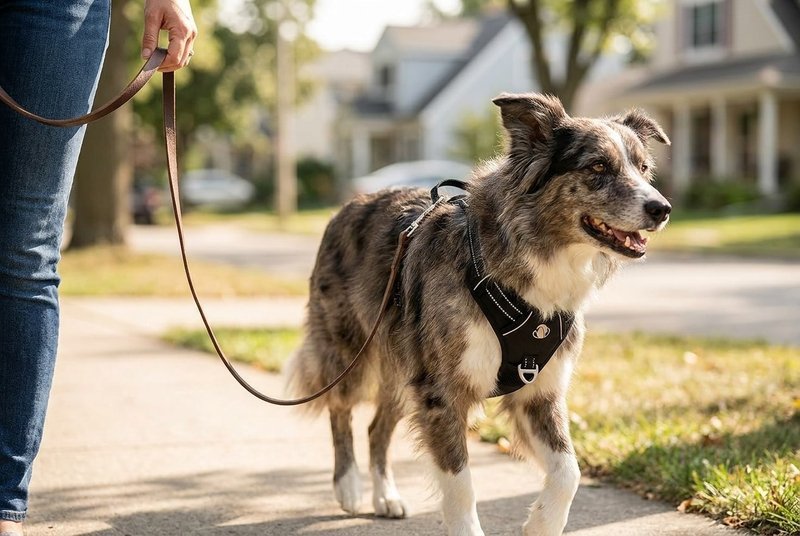
If your walks feel like water-skiing behind a very determined dog, you’re in good company. In a large 2019 survey of UK and Irish dog owners, 82.7% reported that their dog pulled on the lead, according to research published in Veterinary Record. It’s one of the most common frustrations in dog parenthood - and one of the most fixable.
The catch is that most quick fixes either don’t last or rely on hurting your dog. Yanking the leash, choke chains, and shock collars can suppress pulling for a moment, but they teach fear instead of skills. This guide covers how to stop a dog from pulling on leash the way certified trainers and veterinary behaviorists actually recommend: understand why your dog pulls, make pulling pointless, and reward the walking you want. We’ve helped 300,000+ pet parents walk more happily, and everything here is force-free, vet-aligned, and tested on real dogs - including our own.
Table of Contents
Why Dogs Pull on the Leash (It’s Not Disobedience)
Here’s the reframe that changes everything: your dog isn’t pulling on their leash to challenge you. Dogs pull for simple, understandable reasons.
- They’re built to move faster than us. Left to their own pace, most dogs cover ground quicker than a strolling human. The leash is the only thing slowing them down.
- They read the world through their nose. A walk is your dog’s newspaper, social media feed, and group chat rolled into one. Every scent pulls them toward the next.
- Pulling works. The first time a dog leans into the leash and gets a step closer to that lamppost, the behavior pays off. Reinforced behavior repeats. Do it a few hundred times and you’ve got a committed puller.
That last point is the big one. If pulling sometimes gets your dog where they want to go - even one walk in five - that occasional payoff makes the habit incredibly persistent, the behavioral equivalent of a slot machine.
What about the “my dog is being dominant” theory? You can retire it. The idea came from old captive-wolf studies that were later walked back by the very researcher who popularized them. After 13 summers observing wild wolves, biologist David Mech concluded that “the typical wolf pack is a family,” not a group of animals constantly jockeying for alpha status. Pulling is explained far better by pace, scent, excitement, and reinforcement than by any bid for control.
Knowing why matters, because it points to the fix. You can’t punish away a natural, self-rewarding behavior. You can, however, make pulling stop working and make walking beside you the better deal.
Before You Start: Set Your Dog Up to Succeed
A little setup prevents most of the frustration that makes people give up.
Rule out pain first. If your dog suddenly started pulling, coughs or gags on the leash, breathes noisily, or seems sore, book a vet check before training. Medical issues sit at the top of every trainer’s checklist for a reason.
Burn off some energy. A wired dog can’t think. Five minutes of fetch or a sniff-heavy warm-up in the yard takes the edge off so your dog can actually learn.
Fix the gear. Use a fixed-length leash of about four to six feet - skip the retractable, which teaches your dog that pulling extends their range. Check that any harness fits: you should be able to slip two fingers under each strap, and it shouldn’t rub the armpits or shift the shoulder.
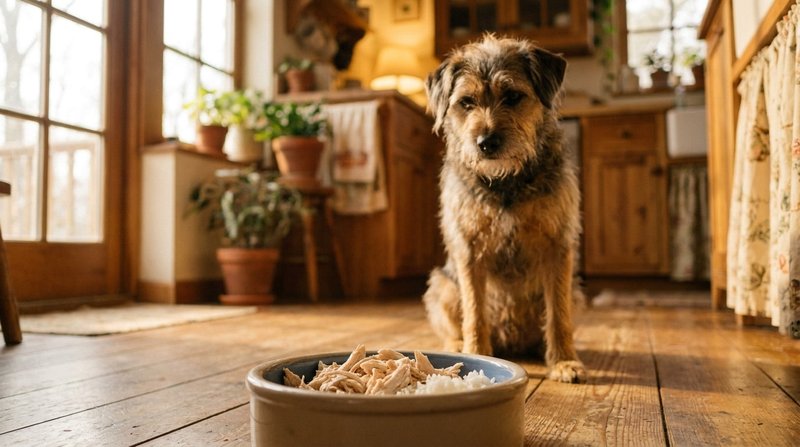
Load up on rewards your dog actually wants. Bring a pouch of pea-sized, high-value treats. If your dog isn’t food-motivated, test a favorite toy, a burst of praise, or the chance to go sniff. Your dog decides what counts as a reward, not you.
Start somewhere boring. Your hallway, driveway, or a quiet yard. The busy park comes later. Difficulty is a dial you turn up slowly, not a switch you flip on day one.
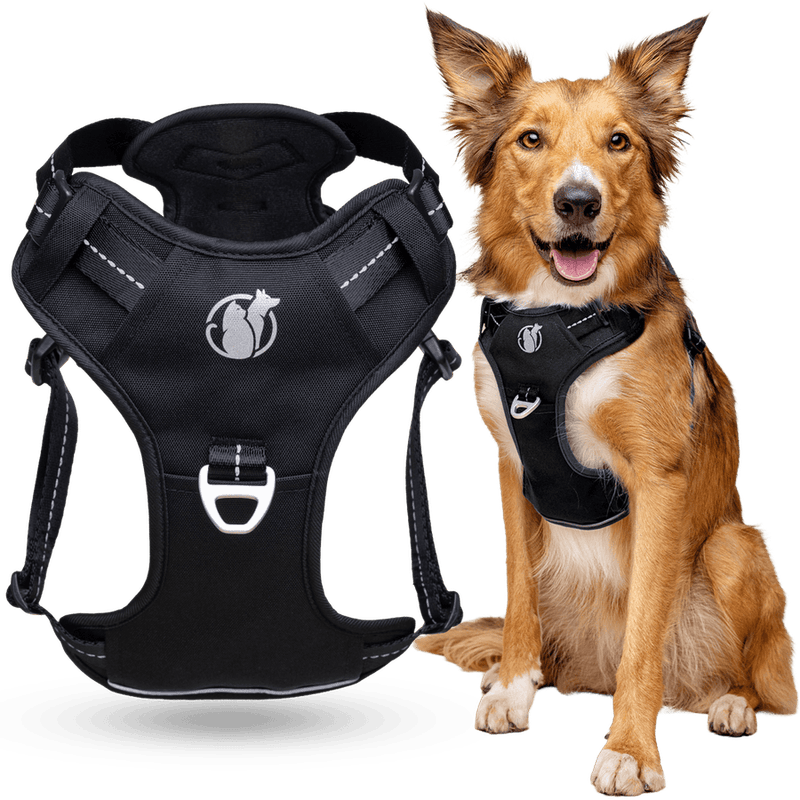
Stop Your Dog Pulling On Their Leash
The Steady+Style No Pull Harness uses front and back clip points to redirect pulling, so you get immediate, gentler control and can actually enjoy the walk again.
Shop Now 👉Better Walk Guarantee • 90-Day PawSafe® Promise
How to Stop a Dog From Pulling on Leash: The Core Method
This is the heart of it. The goal is a J-shaped, slack leash - not a rigid show-ring heel. Your dog can sniff and switch sides as long as the leash stays loose. Here’s the step-by-step method, drawn straight from UC Davis veterinary guidance and force-free trainers.
- Teach a reward marker. Indoors, say “yes” (or click), then immediately treat. Repeat until the word reliably predicts food. This marks the exact instant your dog does something right.
- Reward the position you want. Stand still with your dog on leash. The moment they’re beside you or the leash goes slack, mark and feed at your leg or slightly behind it. Feeding in front encourages forging ahead.
- Build a step at a time. Take one or two steps. While the leash stays loose, mark and reward at your side. Then ask for three steps, five, then short variable stretches. UC Davis specifically recommends starting with just two rewarded steps.
- Be a tree when the leash tightens. The second the leash goes taut, stop. Don’t jerk, scold, or repeat cues - just stop moving. Wait for your dog to create slack or glance back, then mark, reward at your side, and walk on. Forward motion only returns when the leash loosens.
- Add a trained 180-degree turn. If planting yourself stalls out, teach a cheerful “this way” turn in a quiet room first, then use it outdoors before your dog hits the end of the leash. Turn smoothly and reward the catch-up. Never whip your dog around.
- Pay with the environment. After a stretch of loose-leash walking, release your dog with “go sniff” and walk them to that interesting bush. Using their favorite activity as the reward is one of the most powerful tools you have.
- Raise one difficulty at a time. Add duration, distance, or distraction - not all three at once. If success drops off, back up a step or move somewhere quieter.
- Keep training sessions short. Five focused minutes is plenty. Let the rest of the outing be for sniffing and decompression so neither of you burns out.
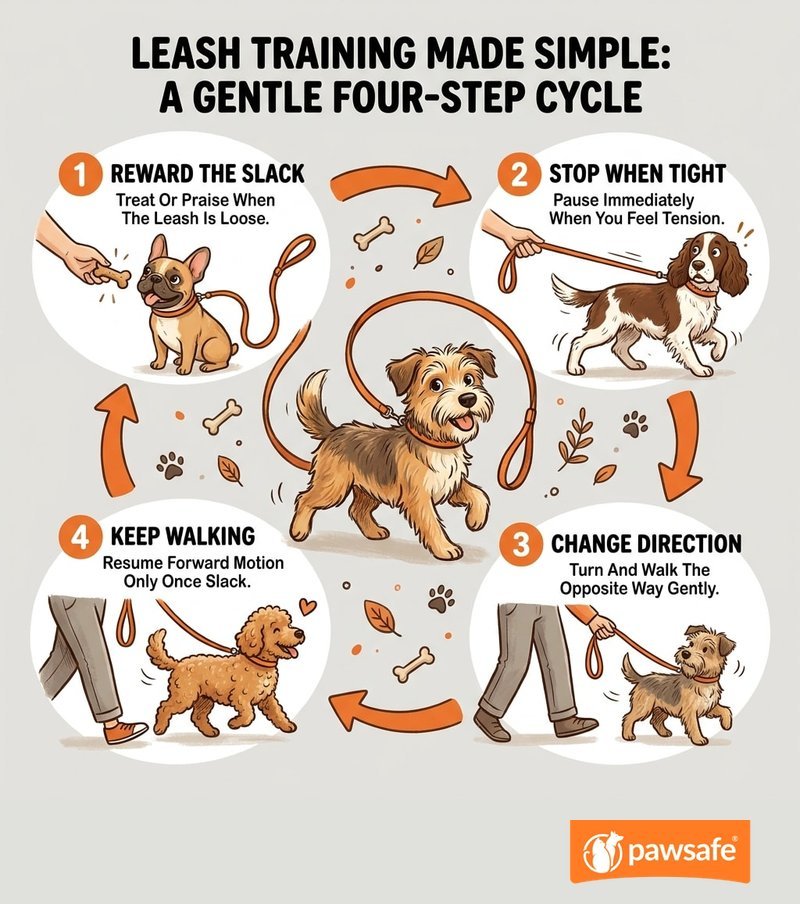
Consistency is what makes this stick. Everyone who walks your dog needs to follow the same rule - if pulling works for the dog walker on Tuesday, it undoes your Monday. Reward nearly every success while the skill is new; once it’s fluent, you can reward less often but keep sniffing and praise flowing.
How long will it take?
Honestly? Stopping a dog from pulling on leash has no validated “seven days to a perfect walk” timeline, and anyone promising one is guessing. Expect noticeable improvement in the first few quiet sessions, and reliable walking around real-world distractions over weeks to months. A dog who’s pulled happily for years will simply need more reps than a blank-slate puppy. Measure progress in milestones - eight of ten good steps indoors, then the yard, then the sidewalk - not the calendar.
Make Every Walk Feel Under Control
Adjustable comfort design helps reduce leash tension fast so walks become calm, consistent, and more enjoyable for both of you.
Shop Now 👉Better Walk Guarantee • 90-Day PawSafe® Promise
What NOT to Do
Some popular “solutions” make pulling worse or damage your dog’s trust. Skip these:
- Leash corrections. Jerking, popping, or snapping the leash might interrupt pulling, but interrupting isn’t teaching - and it can make other dogs, people, or bikes predict a neck jolt, feeding reactivity.
- Choke, prong, and shock collars. These work by discomfort or pain. The American Veterinary Society of Animal Behavior is unambiguous: “There is no evidence that aversive methods are more effective than reward-based methods in any context,” and its position specifically names electronic collars, prong collars, choke chains, and leash corrections as tools to avoid.
- Out-muscling or dragging. Hauling your dog around teaches them to brace against pressure - the opposite of what you want.
- Punishing after the fact. Your dog can’t connect a scolding to a pull that happened ten seconds ago.
Reward-based training isn’t just gentler; it’s the veterinary-behavior consensus because it teaches your dog what to do, without the stress fallout that comes with pain and startle.
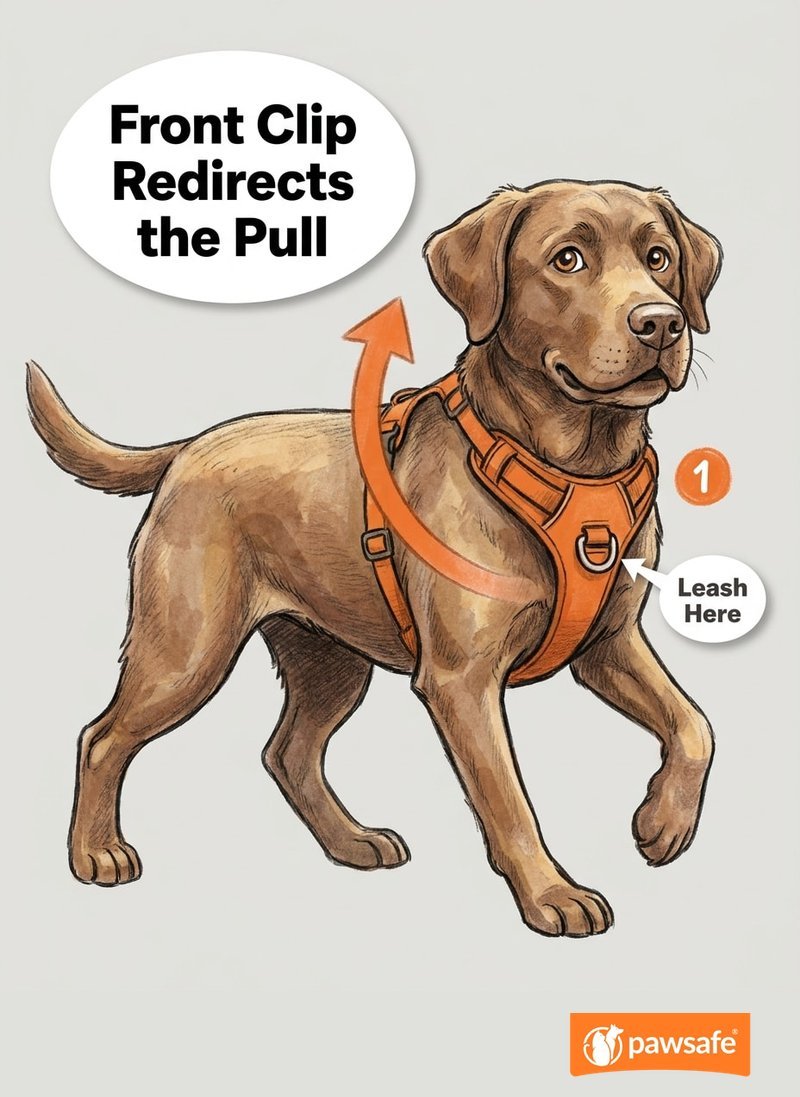
Gear That Helps You Get Your Dog to Stop Pulling
The right equipment won’t train your dog for you, but it makes pulling less effective and keeps everyone safer while the training catches up. Think of it as management, not a cure.
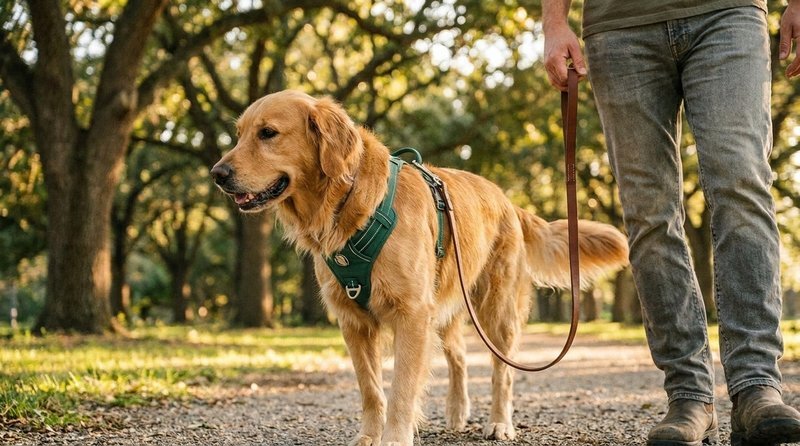
Front-clip harnesses are the workhorse here. When the leash attaches at the chest, a forward lunge rotates your dog gently back toward you instead of letting them drive straight ahead. In a shelter study, front-clip harnesses produced significantly less pulling than martingale collars - though, importantly, they reduced pulling rather than eliminating it. The clip placement is what matters: a back-clip harness can actually hand a determined puller more leverage, the same way a sled harness is built for pulling. (If you’re weighing your options, our guide to front-clip vs back-clip harnesses walks through exactly when each one makes sense.)
Head halters (like a Halti or Gentle Leader) give extra steering for a dog much stronger than their handler, since gentle leash pressure turns the head. They’re effective but need patient conditioning, a slack leash, and a backup connection to a harness - and you must never jerk the leash on one. Some dogs never love having something on their face, and short-muzzled breeds may not be able to wear one safely.
Why collars fall short for pullers: a collar concentrates all that force on the neck. Studies have measured meaningful spikes in eye pressure during collar tension that a harness didn’t produce, which is why vets steer pullers - especially small, flat-faced, or eye-sensitive dogs - toward a harness for the leash and reserve the collar for ID tags.
Our own Steady+Style No Pull Harness was built around this front-clip principle: the chest attachment redirects forward momentum, a padded chest plate spreads pressure comfortably, and a top handle gives you instant control at crosswalks. It comes in five sizes from XS to XL (10-132 lbs) so you can dial in a proper fit. To fit any no-pull harness, measure your dog’s chest girth at the widest point behind the front legs, check the brand’s size chart, and confirm two fingers slide under each strap. If you want to compare options first, our dog harness reviews put ten popular harnesses through hands-on testing, and our guide to the best harness for dogs that pull breaks down the features that matter. You can browse the full range in our dog harnesses collection.
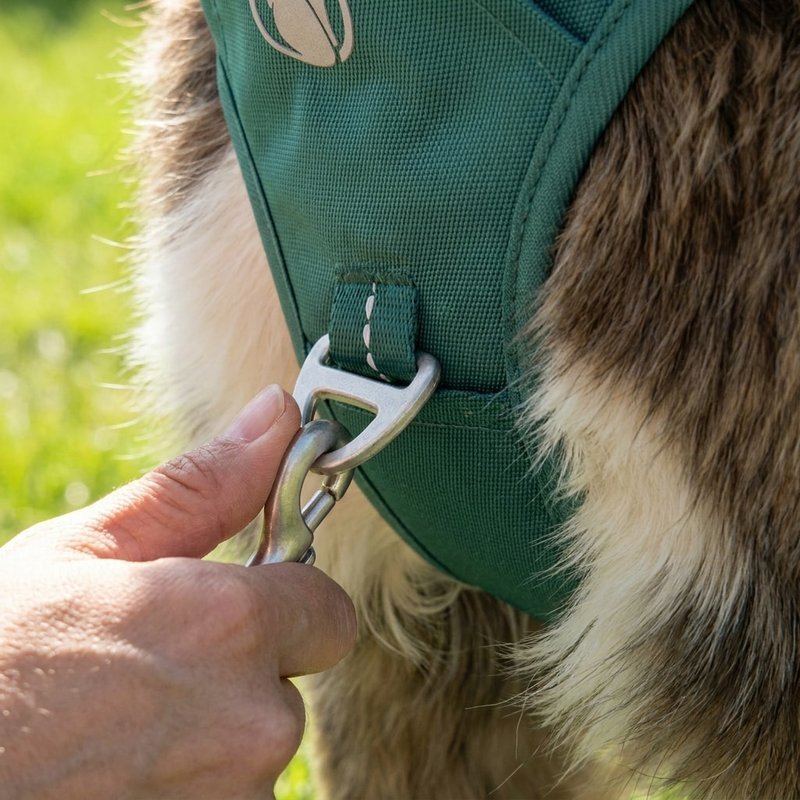
Enjoy Calm Walks Starting Today
Dual-attachment harness distributes pressure and helps turn tug-of-war outings into relaxed, bonding strolls from the first use.
Shop Now 👉Better Walk Guarantee • 90-Day PawSafe® Promise
Troubleshooting: “I Tried Everything and My Dog Still Pulls”
If the method above isn’t clicking, the fix is usually a small adjustment, not more force.
Stop-and-wait does nothing. Check that pulling never accidentally works - one family member who lets the dog drag them to the park can undo everyone else’s effort. Make sure you’re rewarding at your leg, not out front. And if your dog just leans into the harness indefinitely, switch to the trained “this way” turn and reward the catch-up rather than standing there forever.
Your dog won’t take treats. A dog who normally loves food but can’t eat outdoors is telling you the environment is too much. Move farther from the action, choose a quieter time, or call it a day. Otherwise, test better rewards - real meat, a toy, a chase game - and use “go sniff” as payment for a step or two of slack.
A big, strong dog is dragging you. Safety comes first: use a well-fitted front-and-back harness (a double-ended leash improves balance), train during quiet hours, and consider a conditioned head halter for extra steering. If your dog can pull you off your feet or reach people and dogs, get in-person help from a force-free trainer before practicing near triggers.
The pulling is anxious, not excited. If your dog stiffens, stares, barks, or lunges at specific triggers, that’s reactivity, not simple enthusiasm - and standing still next to the trigger will backfire. Create distance, work below the point where your dog can’t cope, and consider a board-certified veterinary behaviorist for persistent fear or aggression.
You’ve got a puppy. Keep sessions to seconds and minutes, reward check-ins generously, and remeasure the harness often as they grow. Leash walking is a learned skill, not something puppies grow out of.
Older dog? It’s genuinely never too late - dogs keep learning for life. Established habits just take more repetition, and a senior may need shorter sessions and non-slip footing.
The Takeaway
Learning how to stop a dog from pulling on leash comes down to a mindset shift and a little consistency:
- Pulling is natural, not defiance - your dog moves faster, follows their nose, and repeats what works.
- Make pulling pointless and reward the alternative - be a tree when the leash tightens, mark and treat the slack, and let sniffing pay for polite walking.
- Skip the pain-based tools - corrections and prong, choke, or shock collars are neither necessary nor supported by veterinary behavior science.
- Let gear do its job - a front-clip harness manages the pulling while your training builds the habit.
- Be patient - progress comes in weeks and milestones, not overnight.
A front-clip harness like our Steady+Style makes the whole process easier by taking pulling off the table while your dog learns, so every walk doubles as low-stress practice. Pick a quiet spot, load your treat pouch, and start tonight. Stick with it, and the day is coming when a loose leash and a relaxed dog feel completely normal - because knowing how to stop a dog from pulling on leash is really just knowing how to make good walking the easiest choice your dog can make.