

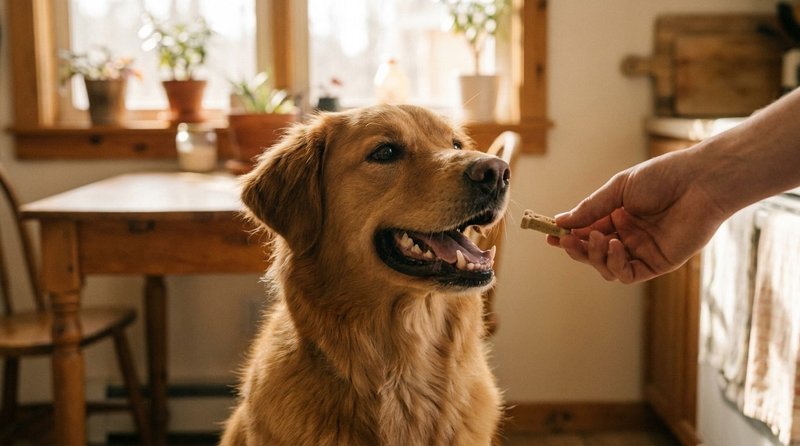
You can clean a dog’s teeth without brushing using dental water additives, dental chews, dental powders, dental wipes, dental diets, and safe chew toys. These methods slow plaque and reduce new tartar, chemically or through chewing, so buildup has less chance to harden. Brushing is still the gold standard, and no home method removes tartar once it sets - so pair daily care with veterinary checkups. Pick the method your dog will actually accept every day.
The toothbrush comes out, your dog clamps their jaw shut and backs into another room, and you both give up. If that’s your reality, you’re not alone - most dogs would rather do almost anything than have their teeth brushed.
Here’s the reassuring part: skipping the brush does not mean skipping dental care. There’s a whole menu of no-brush methods, and several are genuinely effective when you use them consistently. The catch is that they’re not all equal, and the pet aisle is full of “dental” products with no real evidence behind them.
This guide lays out six ways to clean your dog’s teeth without brushing, honestly ranked by the evidence, plus how to tell a proven product from marketing and the signs that mean it’s time for a vet, not another water additive. It draws on veterinary dental guidelines and sources, and on what we’ve learned helping more than 300,000 pet parents.
Table of Contents
- Can You Really Clean a Dog's Teeth Without Brushing?
- Why Dental Care Matters (Even Without a Brush)
- 6 Ways to Clean Your Dog's Teeth Without Brushing
- How to Spot a No-Brush Product That Actually Works
- What No-Brush Care Can't Do
- Signs Your Dog's Teeth Need a Vet, Not Just a Water Bowl
- A Simple Daily No-Brush Routine
- Frequently Asked Questions
- Clean Teeth, No Toothbrush Required
Can You Really Clean a Dog’s Teeth Without Brushing?
Yes - meaningfully. But let’s be straight about two things from the start.
First, brushing is the gold standard. Nothing disrupts plaque as directly, and veterinary dental guidelines agree - in one 2018 randomized study, daily brushing controlled plaque more than three times as effectively as a daily dental chew or a dental diet. If your dog will tolerate even every-other-day brushing, that’s the most effective thing you can do (our guide on how often to brush dog teeth covers realistic targets).
Second - and this is why no-brush methods matter - a method you’ll actually use every day beats a toothbrush that stays in the drawer. Consistency is what protects teeth. So if brushing isn’t happening in your house, a proven no-brush routine is a genuinely worthwhile fallback.
The honest limit: no-brush methods slow plaque and reduce new buildup. They do not remove tartar that has already hardened, and they don’t replace a professional cleaning. Keep that frame and everything below makes sense.
Why Dental Care Matters (Even Without a Brush)
Plaque is a bacterial film that starts forming within hours of eating. Leave it and saliva minerals begin hardening it into tartar in roughly one to three days. Once it’s set, tartar can only be removed by a professional cleaning - no home product dissolves it.
That buildup isn’t just cosmetic. Plaque-driven gum inflammation can progress to periodontal disease, which causes pain, infection, and tooth loss. It’s extremely common: veterinary organizations warn that many dogs already show signs by age three, and Cornell reports studies suggesting 80-90% of dogs over three have some degree of periodontal disease. Because dogs keep eating through the discomfort, a normal appetite doesn’t mean a healthy mouth - and bad breath is often the first clue something’s wrong.
One thing to keep in perspective: periodontal disease has been associated with changes in organs like the kidneys, but that link is observational and doesn’t prove one causes the other. The takeaway isn’t to panic - it’s that a dog’s mouth is worth looking after, brush or no brush.

6 Ways to Clean Your Dog’s Teeth Without Brushing
Here are the legitimate no-brush options, what the evidence says, and who each one suits. A theme runs through all of them: favor products with real evidence (more on how to spot that below), and match the method to the dog you actually have.
1. Dental Water Additives
You pour a measured amount into your dog’s water bowl, and they get passive, all-day contact as they drink - no mouth handling at all. The evidence is mixed across the category and depends heavily on the exact formula: one 2023 trial found about 47% less plaque after a cleaning with a specific additive, while a 2025 study found its tested additive alone didn’t improve existing deposits. So they’re best seen as an adjunct that slows new buildup, not a deep clean.
Our Dog Mouthwash is one convenient option here - a water additive with naturally derived ingredients that helps reduce plaque and freshen breath with no brushing required. Whichever brand you choose, use only a dog-labeled product, and never add human toothpaste or mouthwash to the bowl (many contain xylitol, which is toxic to dogs). For a deeper look at the category, see our guide on whether dog water additives work.
Best for: dogs that resist any mouth handling but reliably drink treated water.
2. Dental Chews and Treats
A well-designed chew cleans two ways: the tooth sinks into the product for mechanical abrasion (especially on the back teeth), and some chews add plaque-fighting ingredients. Evidence is moderate-to-strong for specific clinically tested chews and weak for generic ones - a 2008 study of one daily chew found roughly 55% less plaque and 62% less calculus, but that’s product-specific.
Best for: dogs that chew steadily. Match the chew to your dog’s size, supervise, count the calories, and skip chews so hard you can’t dent them with a thumbnail (they fracture teeth).
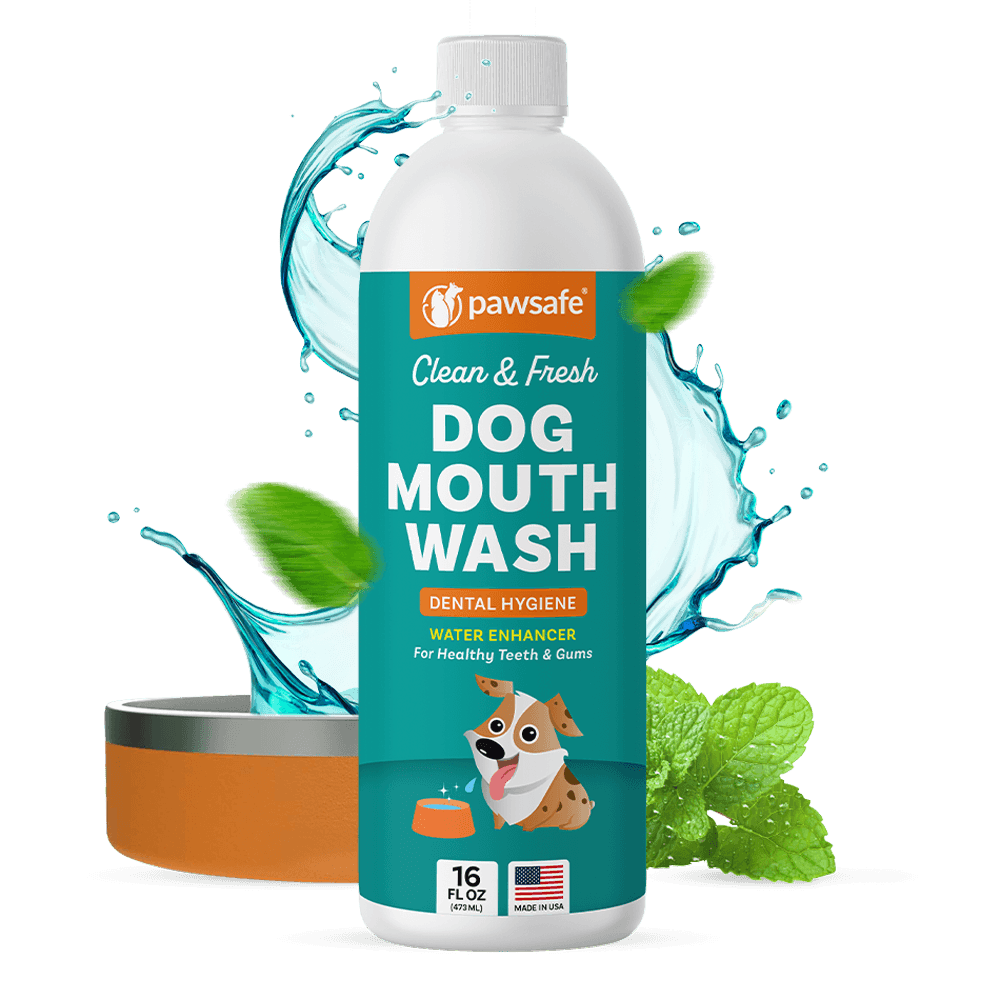
Fresh Breath The Easy Way
Just add to the water bowl to support cleaner mouths and noticeably fresher breath without daily brushing struggles.
Shop Now 👉Fresh Breath Guarantee • 90-Day PawSafe® Promise
3. Dental Powders and Food Toppers
These are sprinkled on food - most are based on a seaweed, Ascophyllum nodosum, that seems to influence plaque and tartar through the saliva. A 2018 placebo-controlled study of one such product found less plaque and calculus over 90 days, though the evidence is product-specific and industry-funded. Zero mouth handling is the big appeal.
Best for: dogs that accept food toppers but not handling. Ask your vet first if your dog has thyroid disease (seaweed is a source of iodine).
4. Dental Wipes and Finger Brushes
You wrap a wipe or cloth around a finger and rub the outer tooth surfaces - less intrusive than a brush, and a great stepping stone for a dog learning to accept mouth contact. Evidence is limited-to-moderate: wipes reduce plaque on the surfaces you can reach but don’t clean below the gumline.
Best for: dogs in early handling training, or owners building toward brushing. Never force it, and stop if your dog shows pain.
5. Dental Diets
Veterinary dental diets use larger, specially structured kibble that the tooth sinks into before it shatters, creating a wiping action - ordinary kibble does not do this. Evidence is moderate-to-strong for selected diets, several of which are clinically tested. Most are veterinary diets, so ask your vet whether one fits your dog’s nutrition and calorie needs.
Best for: dogs for whom the diet is nutritionally appropriate and who chew rather than gulp.
6. Safe Chew Toys and Raw Carrots
Chewing a suitable toy or a raw carrot offers mild surface abrasion and good enrichment - but there’s no solid evidence it meaningfully controls plaque or gum disease, so treat it as a bonus, not a dental plan. And mind the safety line: anything hard enough to scrape tartar is hard enough to crack a tooth. Avoid cooked bones, antlers, hooves, and rigid nylon, choose a size your dog can’t swallow, and supervise.
Best for: active chewers, as a supplement to a proven method.

How to Spot a No-Brush Product That Actually Works
With shelves full of “dental” claims, judge products on evidence rather than packaging. A few signals separate a proven option from marketing:
- Real trial data. For any product whose core promise is to control plaque or tartar, the strongest independent check is the VOHC Seal of Acceptance. The Veterinary Oral Health Council reviews clinical data and accepts only products shown, in trials meeting its standards, to reduce plaque and/or tartar (broadly, two blinded 28-day trials with at least a 15% reduction each). It reviews sponsor-funded trials rather than running them, and it isn’t an FDA approval. The seal is most relevant when plaque or tartar control is the whole pitch - a breath-freshening additive is honestly a daily convenience, not a clinical treatment, so the comparison matters less to it. You can check the official accepted-products list for the exact product, size, and claim.
- Recognizable ingredients, and no xylitol. Use only dog-labeled products, and never add human toothpaste or mouthwash to the bowl (many contain xylitol, which is toxic to dogs).
- A dog who’ll actually use it. The best method is the one your dog accepts every day - if they go off the treated water or food, it isn’t working.
- Realistic expectations. Any no-brush product slows new buildup; none removes hardened tartar or treats gum disease.
What No-Brush Care Can’t Do
This is the part it would be dishonest to skip. No-brush methods slow plaque and reduce new tartar. They cannot:
- Remove hardened tartar, especially below the gumline
- Reveal or treat disease hidden under the gums
- Take dental X-rays or measure gum pockets
- Fix a fractured, loose, or infected tooth
A full veterinary dental procedure - examination, probing, X-rays, and scaling above and below the gumline - typically needs general anesthesia, precisely because so much disease hides where you can’t see it. Home care and professional care are partners: the vet removes what’s there and finds what’s hidden, and your daily routine slows how fast it comes back. Our dog dental care routine guide shows how the two fit together.
A quick word on “anesthesia-free” cleanings: veterinary dental specialists caution that scraping visible tartar off an awake dog isn’t equivalent to a proper cleaning - it can’t probe or X-ray, and a cosmetically cleaner crown can hide real disease. And please don’t scrape your dog’s teeth at home; it damages enamel and gives a false sense of security.
Daily Water Additive For Oral Freshness
Helps maintain better breath and oral hygiene as your dog drinks, keeping cuddle moments pleasant.
Shop Now 👉Fresh Breath Guarantee • 90-Day PawSafe® Promise
Signs Your Dog’s Teeth Need a Vet, Not Just a Water Bowl
Book a veterinary dental exam if you notice:
- Persistent, foul breath
- Yellow-brown tartar built up at the gumline
- Red, swollen, bleeding, or receding gums
- Loose, fractured, worn, or discolored teeth
- Drooling more than usual, or pawing at the mouth
- Dropping food, chewing on one side, or reluctance to eat hard food
- A new refusal to let you near their mouth (often a sign of pain)
Seek prompt care for facial or jaw swelling, ongoing oral bleeding, refusal to eat or drink, an obvious tooth fracture, or gagging and breathing trouble after a chew. And don’t start an abrasive wipe or chew routine over visibly inflamed, painful gums - your dog may need treatment first. You can find more dental guides in our dog dental care collection.

A Simple Daily No-Brush Routine
The best routine is the one you’ll keep. A practical version pairs one passive method with one mechanical one:
- Daily: add a dog-labeled water additive to fresh water, or a dental powder to food - whichever your dog accepts. Offer a correctly sized, supervised dental chew at the labeled frequency, or feed a proven dental diet.
- Weekly: lift the lips in good light and check for new tartar, redness, bleeding, or broken teeth.
- Yearly (at least): a veterinary oral assessment at your dog’s regular checkup. Small dogs, flat-faced breeds, and dogs with a dental history may need more frequent visits.
Start with whatever your dog tolerates - a no-contact additive or powder is a fine first step - then build up to a wipe or chew if they’ll allow it. More products isn’t automatically better, so don’t stack several additives and powders without checking labels and asking your vet.
Frequently Asked Questions
Can you keep a dog’s teeth clean without brushing?
You can meaningfully reduce new plaque and tartar with selected dental chews, dental diets, powders, wipes, and water additives - especially products with real clinical evidence behind them. These methods generally don’t equal effective daily brushing and can’t treat existing gum disease, so pair them with veterinary checkups.
What removes plaque from a dog’s teeth without brushing?
Mechanical methods give the most direct no-brush plaque disruption: properly designed dental chews, dental-diet kibble, and wipes on exposed tooth surfaces. Proven chemical additives can reduce bacterial adhesion or new buildup. Hardened tartar and anything below the gumline needs professional veterinary scaling - no home product removes it.
Turn Plain Water Into Breath Support
A simple routine that supports a cleaner mouth and fresher kisses over time—no messy brushing required.
Shop Now 👉Fresh Breath Guarantee • 90-Day PawSafe® Promise
Do dog dental water additives work?
Some exact formulas have controlled evidence; the category as a whole is mixed. One 2023 trial found about 47% less plaque after a cleaning, while a 2025 study found its additive alone didn’t improve existing deposits. Choose by a product’s specific evidence rather than the words “dental water additive,” and treat it as an adjunct, not a substitute for cleaning.
Are dental chews as good as brushing?
No. In a 2018 randomized trial, daily brushing controlled plaque more than three times as effectively as a daily chew or dental diet. A proven, correctly sized dental chew is still worthwhile when brushing isn’t feasible, especially for the rear teeth where chewing makes the most contact.
How do I clean my dog’s teeth if he won’t let me touch his mouth?
First rule out pain, especially if the resistance is new - bad breath, visible tartar, or inflamed gums warrant a vet exam. For a comfortable dog, start with no-contact options like a water additive, dental powder, dental diet, or a supervised chew, then gradually reward calm lip-touching. Never force a wipe or put fingers near a dog that might bite.
What is the VOHC seal?
It’s a product-specific recognition from the Veterinary Oral Health Council showing that submitted clinical trials met its standards for reducing plaque, tartar, or both. VOHC independently reviews the data (it doesn’t run the trials itself or approve products for the FDA), and the seal doesn’t mean a product treats gum disease or replaces professional cleaning.
Do I still need professional cleanings if I use no-brush methods?
Often, yes. Home care slows buildup but can’t examine below the gumline, take dental X-rays, remove hardened tartar, or treat diseased teeth. Even excellent daily care doesn’t guarantee your dog will never need a professional cleaning - your vet decides based on what they find on exam.
Clean Teeth, No Toothbrush Required
If your dog treats the toothbrush like an enemy, take heart: you can absolutely clean your dog’s teeth without brushing. The trick is to be both consistent and honest about what you’re doing.
Here’s what to remember:
- A consistent no-brush routine beats brushing you never do - but brushing is still the gold standard if your dog will allow it.
- Layer methods your dog tolerates - a daily water additive or powder, plus a supervised dental chew, covers a lot of ground.
- Judge products by real evidence, not marketing buzzwords like “natural” or “vet formula.”
- No home method removes hardened tartar - so keep up with veterinary checkups and cleanings.
- Watch the warning signs - tartar, red gums, bad breath, or mouth pain mean a vet visit, not just a fresh bowl of water.
Pick the method your dog will actually accept, use it every day, and let your vet handle what’s below the gumline. That’s how you keep a dog’s teeth clean without ever picking up a toothbrush.